Blockchain Use Cases in Government and Public Services
5 December 2025
We’ve all heard the buzzword—blockchain. But beyond Bitcoin and crypto speculations, blockchain has quietly been making waves in less flashy spaces, like... government. Yes, that’s right. Your local DMV or national registry might soon be running on blockchain. But is this just hype, or is there actual substance behind these ambitious claims?
Well, good news: blockchain isn’t just a passing trend. It’s a disruptor. And when it comes to government and public services, it's kind of like that friend who shows up and organizes your entire garage in a weekend—life-changing.
So buckle up! Let’s dive deep into how blockchain is reshaping public services and bringing a much-needed breath of fresh air to government operations.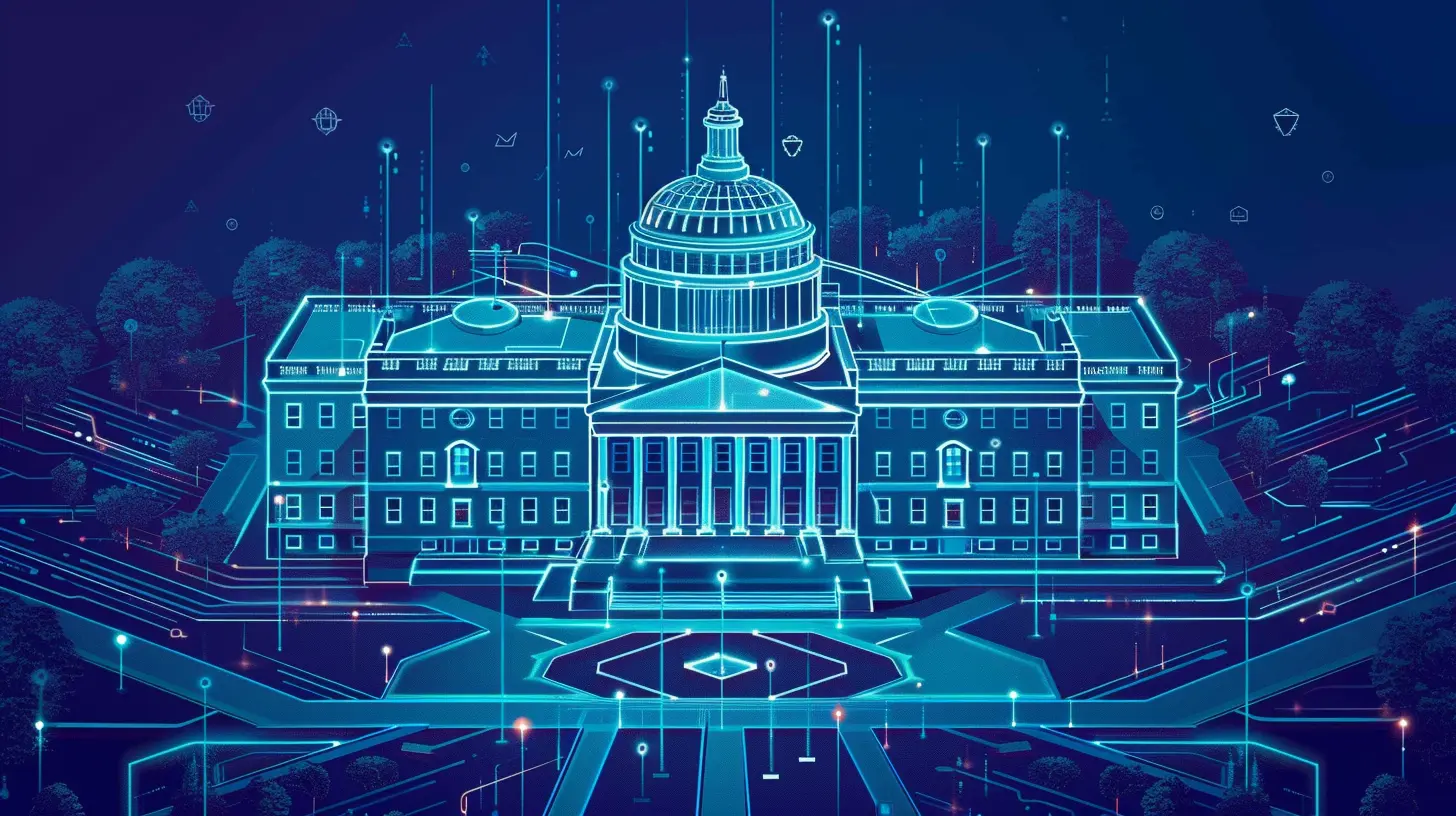
What Is Blockchain Anyway?
Before we go full steam ahead, let’s clarify what blockchain really is (minus the tech jargon).Imagine a digital ledger—kinda like an Excel sheet—that’s open to everyone, constantly updating in real-time, and impossible for anyone to mess with silently. Once a transaction is entered, it’s sealed with digital wax—tamper-proof. No erasers allowed.
Now multiply that across thousands of computers verifying everything together. That’s blockchain. It’s transparent, secure, and decentralized.
And guess what? Those qualities are exactly what many government systems are missing.
Why Governments Are Warming Up to Blockchain
Let’s face it—government systems don’t exactly have a reputation for speed, efficiency, or transparency. In fact, many of them are bloated, outdated, and vulnerable to fraud.Here’s where blockchain swoops in like a superhero with a digital cape. It offers:
- Transparency: Every transaction is recorded and traceable.
- Security: Data is encrypted and distributed, making it hard to tamper with.
- Automation: Through smart contracts, processes can run themselves.
- Efficiency: Say goodbye to a mountain of paper trails and redundant bureaucracy.
Simply put, blockchain might be the cure to some of government’s chronic headaches.
1. Digital Identity Verification
Let’s start with a big one—identity verification. Think about how often you’ve had to drag yourself to a government office just to prove you are who you say you are. It’s time-consuming, prone to errors, and—frankly—a little absurd in today’s digital age.How Blockchain Helps
Blockchain can create secure digital identities that are impossible to fake. Citizens could carry their verified identity on a blockchain wallet—accessible with a few clicks, and valid globally.Use Case Example:
In Estonia (a country often dubbed “E-stonia” for its digital-first governance), blockchain secures national IDs and allows citizens to vote, pay taxes, and access health records online—safely and securely.
That’s like having your entire wallet, passport, and medical file in your pocket, encrypted and hack-proof.
2. Transparent Voting Systems
Elections are the backbone of democracy. But what happens when people lose trust in the process? Allegations of vote tampering and fraud weaken public confidence. Enter blockchain.Voting on the Blockchain
Blockchain voting systems offer full transparency. Every vote cast is stored on an immutable ledger, publicly verifiable but still anonymous.Benefits include:
- Instant vote tallying
- Fraud prevention
- Tamper-proof results
- More people voting (mobile voting = convenience)
Already in Play:
West Virginia piloted a blockchain voting app for overseas military personnel during the 2018 midterm elections. It showed promising results, especially in improving accessibility.
Imagine voting from your couch—safely and securely. That’s the future.
3. Passport and Border Control
Border security is vital, but it also involves piles of paperwork, databases that don’t talk to each other, and lots of time-consuming checks. This is especially painful for travelers and immigration departments alike.Blockchain to the Rescue
With blockchain, a traveler’s identity, visa status, and travel history could be instantly verifiable—no need to shuffle through paper or rely on disconnected databases.This could:
- Reduce border wait times
- Improve screening efficiency
- Prevent identity fraud
Think of it like a universal “truth passport” that border agents can check instantly—with zero room for forgery or error.
4. Public Procurement and Eliminating Corruption
Government contracts and public procurement? Yeah, it’s a murky world where billions of dollars sometimes disappear in shady deals.Bringing in the Cleaners
Blockchain makes the procurement process fully transparent. Every step, from bidding to awarding and payment, is recorded on a public ledger.This cuts down:
- Bribery
- Favoritism
- Misspent funds
Real-Life Example:
Colombia has explored blockchain to monitor public contracts, aiming to stamp out corruption and ensure every dollar is traceable.
It’s like having a financial GPS for taxpayer money.
5. Record-Keeping for Land Registration
In many parts of the world, land disputes arise because records are lost, tampered with, or poorly maintained. Blockchain can fix that.Immutable Land Records
A blockchain-based registry can verify ownership history, prevent fraud, and simplify property transfers.Benefits:
- Instant access to verified records
- Reduced land disputes
- Streamlined sales and inheritance
Countries like Georgia and India have launched blockchain-based pilot programs for land titles. The result? More transparency and fewer headaches.
6. Tax Collection and Management
Let’s be honest—nobody loves taxes. But what if the process was simpler... and more honest?Cut the Red Tape
Blockchain can automate tax collection using smart contracts. Imagine getting a paycheck where your taxes are automatically calculated and distributed to the government—error-free and real-time.It can also detect fraud by tracing transactions through the blockchain network. If someone tries to cheat the system? The digital paper trail doesn’t lie.
7. Welfare and Social Programs
Welfare programs often suffer from mismanagement, fraud, and funds not reaching the intended recipients. Blockchain can help clean this up.Direct Aid with Blockchain
Smart contracts can ensure that welfare payments go directly to eligible recipients without middlemen or delays. Recipients could even be notified in real-time via apps.Use Case:
The UN World Food Programme used blockchain to deliver food vouchers to refugees in Jordan, reducing costs and increasing accountability.
Imagine knowing your taxes went exactly where they were supposed to. That’s peace of mind.
8. Secure Healthcare Records
It’s 2024. Why is your medical history still a pile of disconnected PDFs?Enter Blockchain Health Records
Healthcare providers could record patient data on a blockchain that’s:- Secure
- Portable
- Accessible only with permission
Doctors across systems could instantly view your medical history (with your consent), reducing errors and improving care.
Plus, blockchain builds in privacy features that keep sensitive data safe.
9. Birth and Death Registries
Vital statistics—like birth and death records—are critical to running a country. But in many places, they’re still handled manually.With blockchain, the moment a baby is born or a citizen passes away, a block is created, verified, and added to the public record.
Benefits?
- Proof of identity at birth
- Streamlined access to benefits
- Easier population tracking and planning
It’s a digital cradle-to-grave record system built to last.
10. Transportation and License Management
DLs, registrations, emissions reports—managing transportation records is messy. Centralized systems crash, get hacked, or just lose data.Blockchain brings order to the chaos.
With blockchain:
- Driver records are instantly verifiable
- Vehicle history is transparent
- Licensing processes get streamlined
Ever bought a used car and doubted the mileage report? With blockchain, that info is permanently logged and tamper-proof.
Challenges and Roadblocks
Of course, this isn’t all sunshine and rainbows. Governments that want to adopt blockchain face some hurdles:- Legacy Systems: Many government databases are clunky and outdated.
- Training: Public sector workers need training to understand and manage new blockchain-based systems.
- Scalability: Blockchain isn't perfect at handling huge volumes (yet).
- Regulations: Lawmakers need to catch up with the tech.
- Public Trust: Ironically, many still associate “blockchain” purely with volatile crypto.
But the good news? These are growing pains. And countries that invest early will reap long-term rewards.
What’s Next?
The blockchain revolution is just getting started. Public services are finally catching up to the digital age, and blockchain is, in many ways, the perfect tool for the job. It’s like giving governments a Swiss Army knife for data: secure, transparent, efficient, and trustworthy.Will every government go full blockchain overnight? Probably not. But the ones willing to experiment now will likely be the ones leading tomorrow.
Final Thoughts
Let’s be real—government systems aren’t exactly known for innovation. But with blockchain, that might change.From voting and identity verification, to taxes, contracts, and welfare programs, blockchain has the power to cut through red tape, stomp out fraud, and actually make government work better for the people.
Kind of wild, right? That a technology behind digital coins could end up being the foundation of 21st-century governance?
So, whether you’re a government official, tech enthusiast, business leader, or just plain curious, one thing’s clear: the age of blockchain in public service is no longer a dream. It's already happening.
all images in this post were generated using AI tools
Category:
Blockchain In BusinessAuthor:

Baylor McFarlin
Discussion
rate this article
2 comments
Blaine McConnell
Exciting to see how blockchain can enhance transparency in government services!
December 16, 2025 at 1:44 PM
Baylor McFarlin
Thank you! Blockchain has immense potential to improve transparency and accountability in government services. Exciting times ahead!
Kirk Smith
This article provides valuable insights into blockchain's potential in enhancing transparency and efficiency in government services. It highlights innovative use cases while acknowledging implementation challenges, fostering a balanced understanding of the technology.
December 5, 2025 at 4:28 AM
Baylor McFarlin
Thank you for your positive feedback! I'm glad you found the insights and balance in discussing blockchain's potential and challenges valuable.