Eliminating Fraud in Business with Blockchain Verification
24 June 2026
Let's be honest—fraud isn't just a minor hiccup in business operations. It's a full-blown menace that can destroy reputations, cost millions, and leave everyone involved feeling betrayed. From fake invoices to identity theft, shady deals, and double-dealing middlemen, the scale and creativity of business fraud have reached jaw-dropping levels. But here’s the million-dollar question: how can we stop it?
Well, blockchain might just be the superhero we've been waiting for.
Now, before you roll your eyes and think, “Great, more buzzwords,” hear me out. Blockchain isn’t just for Bitcoin bros or crypto traders anymore. It's quietly emerging as a powerful tool that can transform how businesses verify transactions, track assets, and ultimately lock fraud out of the system entirely.
So, grab your favorite snack and settle in. We're diving deep into how blockchain verification can sweep fraud off the table and give businesses something we all crave—trust.
What Exactly Is Business Fraud?
Before we tackle the solution, let’s define the problem.Business fraud is basically any intentional act of deception carried out for personal or financial gain in a business setting. Sounds simple, but its forms are anything but. Some of the usual suspects include:
- Accounting fraud (hello, Enron)
- Fake suppliers and ghost employees
- Identity theft
- Data manipulation
- Invoice and payment scams
The kicker? These aren’t always pulled off by some cybercriminal in a dark basement. Often, it’s insiders—employees, vendors, sometimes even partners. That’s what makes it so tricky to detect.
Why Traditional Fraud Prevention Isn't Cutting It
Businesses already spend billions on fraud protection. Firewalls, accountants, compliance audits, and third-party verifications—yet, fraud keeps slipping through the cracks.Here’s why:
- Centralized systems: Most databases are like castles. Once someone breaches the walls (say, with a stolen password), they have full access.
- Lack of transparency: You often need to trust that other parties are being honest because there's no real way to verify records in real-time.
- Too much manual verification: Humans make mistakes, and let’s face it—we get lazy too.
- Time delays: By the time an irregularity is flagged, the damage may already be done.
So, if traditional systems are playing catch-up, how can we stay ahead of fraudsters?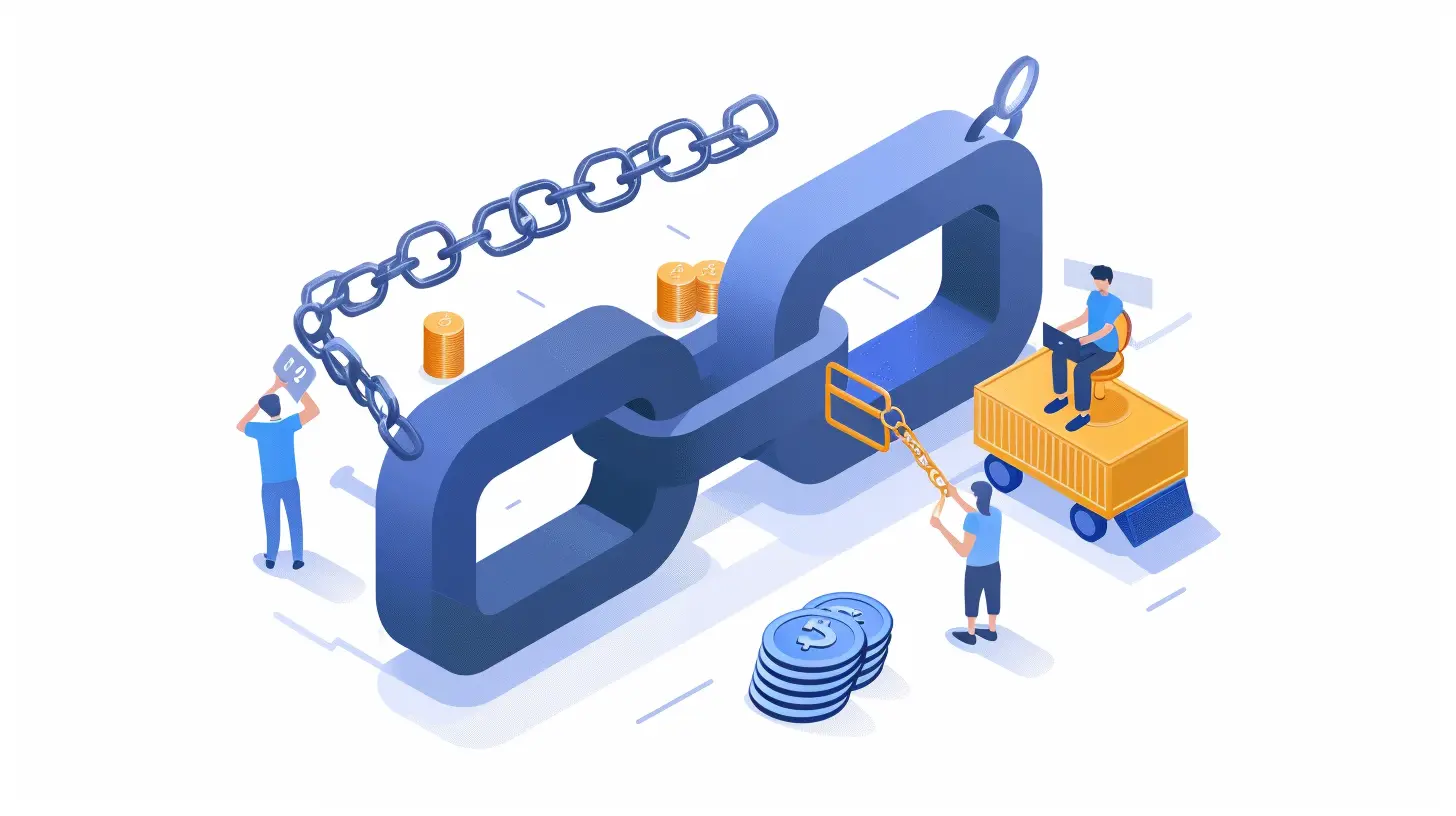
Enter Blockchain: A Game-Changer for Verification
Imagine a digital ledger that isn’t stored in one place but across thousands of computers. Every time a transaction happens, it’s recorded in a block, timestamped, encrypted, and linked to the block before it. Once added, it’s near-impossible to alter. That’s blockchain in a nutshell.Think of it like a magical notebook where anything you write becomes permanent history. No white-out. No erasers. No do-overs.
Here’s where things get exciting for businesses:
- Transparency: Everyone in the blockchain network can see transactions in real-time.
- Immutability: Once a block is added, it's locked for good.
- Decentralization: No single point of failure or manipulation.
- Trustless verification: You don’t need to know or trust the other party—the system does it for you.
How Blockchain Verification Kicks Fraud to the Curb
Let’s break down the specific ways blockchain can crack down on different types of business fraud.1. Supply Chain Fraud
Ever wonder if the "organic" cotton shirt you’re wearing actually came from an eco-friendly farm? Or if the rare part your supplier swore was legit is actually a cheap knockoff?With blockchain, every step in the supply chain can be recorded and verified. From raw materials to manufacturing, shipping, and final delivery—each transaction is logged immutably.
So if someone tries to sneak in counterfeit goods, the system instantly spots the anomaly. No more “he said, she said.”
2. Identity Verification and KYC
Know Your Customer (KYC) processes are mandatory but can be a pain to manage. Fake identities often slip through cracks, giving fraudsters easy access.Blockchain-based digital IDs can change that. These IDs are encrypted, unique, and verified across the network. Businesses can validate identities without storing sensitive personal info, reducing the risk of identity theft.
Think of it like a vault where your identity lives—only you hold the key.
3. Payment Fraud
From credit card chargebacks to invoice manipulation, payment fraud is rampant.With blockchain’s transparent and real-time nature, payments can be verified instantly. Smart contracts (self-executing digital agreements) ensure that conditions are met before money changes hands.
No manual processing. No middlemen. No shady games.
4. Auditing and Financial Reporting
Cooking the books? Not so easy anymore.When financial records are logged on the blockchain, auditors can access real-time, tamper-proof data. This reduces the scope for manipulation and enables continuous, automated auditing.
It's like giving your accountants x-ray vision. They won’t just see what’s presented—they’ll see the story behind the numbers.
5. Insider Trading and Intellectual Property Theft
Corporate espionage and insider leaks are serious business threats. Blockchain can prove who accessed what, when, and what they did with that data.Every digital interaction can leave a cryptographic trail, making it easier to pinpoint leaks and unauthorized access.
Real-World Examples—This Isn’t Sci-Fi
Still skeptical? Let’s talk reality.IBM and Maersk
They created a blockchain platform called TradeLens to improve cargo tracking and documentation across global shipping channels. The result? Reduced fraud, faster approvals, and more transparency than ever.Walmart
Walmart uses blockchain to track produce from farm to shelf. In one case, what used to take seven days to trace a mango’s origin now takes 2.2 seconds. That’s not just efficient—it’s a fraud deterrent.De Beers
The diamond giant tracks stones from the mine to market using blockchain, helping eliminate conflict diamonds and verifying authenticity.So yeah, it’s not just theory. It’s happening now.
But Wait—Is Blockchain Foolproof?
Let’s be real. No system is 100% bulletproof. Blockchain tech is powerful, but it comes with its own set of hiccups:- Scalability: Blockchain can be slow when processing a high volume of transactions.
- Complexity: Not every business has the know-how or infrastructure to adopt it.
- Privacy concerns: Transparency is great, but some data needs to stay private.
- Regulatory uncertainty: Laws around blockchain are still in flux in many countries.
So while blockchain isn’t a silver bullet, it can be one heck of a weapon in the anti-fraud arsenal—if implemented thoughtfully.
How to Get Started with Blockchain Verification in Your Business
Feeling intrigued and ready to take the plunge? Here are some steps to consider:1. Identify Vulnerable Points
Start by pinpointing where your business is most exposed to fraud. Is it in vendor onboarding? Payment processing? Data sharing?2. Research Blockchain Platforms
There are several platforms out there—Ethereum, Hyperledger, Corda, to name a few. Each has its strengths, depending on your industry and use case.3. Start Small
You don’t need to flip your entire operation overnight. Begin with a pilot project in one area and see how it goes.4. Partner Up
Blockchain projects often require collaboration. Look for partners—tech providers, consultants, or even industry consortiums—that can fill in the knowledge gaps.5. Stay Compliant
Make sure your use of blockchain aligns with data privacy laws and industry regulations. It’s better to be safe than sorry.Final Thoughts—Transparency Is the New Trust
We’re living in a world where trust is worn thin. Consumers are skeptical. Partners are cautious. And every business has that nagging worry—what if someone’s pulling a fast one?Blockchain offers more than just a fancy-new piece of tech. It offers transparency, accountability, and perhaps most importantly—peace of mind.
Imagine a business landscape where fraud doesn’t thrive in murky shadows but withers under the harsh light of transparency. That’s the kind of future blockchain is building.
And honestly? It’s about time.
all images in this post were generated using AI tools
Category:
Blockchain In BusinessAuthor:

Baylor McFarlin
Discussion
rate this article
1 comments
Aubrey Hunter
Trust blooms in blockchain's embrace.
June 24, 2026 at 3:35 AM
Baylor McFarlin
Absolutely. Blockchain offers a transparent way to build trust and reduce fraud.