How to Use Referral Programs to Scale Lead Generation
7 June 2026
Imagine if your happy customers became your best salespeople. Sounds pretty amazing, right? That’s the power of referral programs. Word-of-mouth has always been one of the most effective marketing tools. Now, referral programs take that natural human behavior and turn it into a scalable lead generation machine.
In this post, I'm going to break down exactly how to use referral programs to grow your leads like wildfire — without spending a Fortune 500 budget. Grab your coffee and let’s dive in.
Why Referral Programs Work Like Magic
Let’s be real — we trust people more than ads. When a friend recommends a tool, a product, or a service, we’re way more likely to check it out than if we saw a random Facebook ad. That’s because referrals come with trust baked right in.Still not convinced? Check this out:
- Referred leads convert 4x more than standard leads
- They have a higher lifetime value
- They’re more loyal customers overall
Referral marketing taps into our natural tendency to share things we love. It’s basically the digital version of “Hey, you gotta try this!”
What Exactly Is a Referral Program?
A referral program is a system you put in place that encourages your existing customers or users to refer new leads in exchange for some type of reward. Think discounts, free products, bonus features — you get the idea.But here’s the kicker: not all referral programs are created equal. A weak program can sit there gathering dust, while a strong one can send your leads (and revenue) into the stratosphere.
Let’s make sure you build the second one.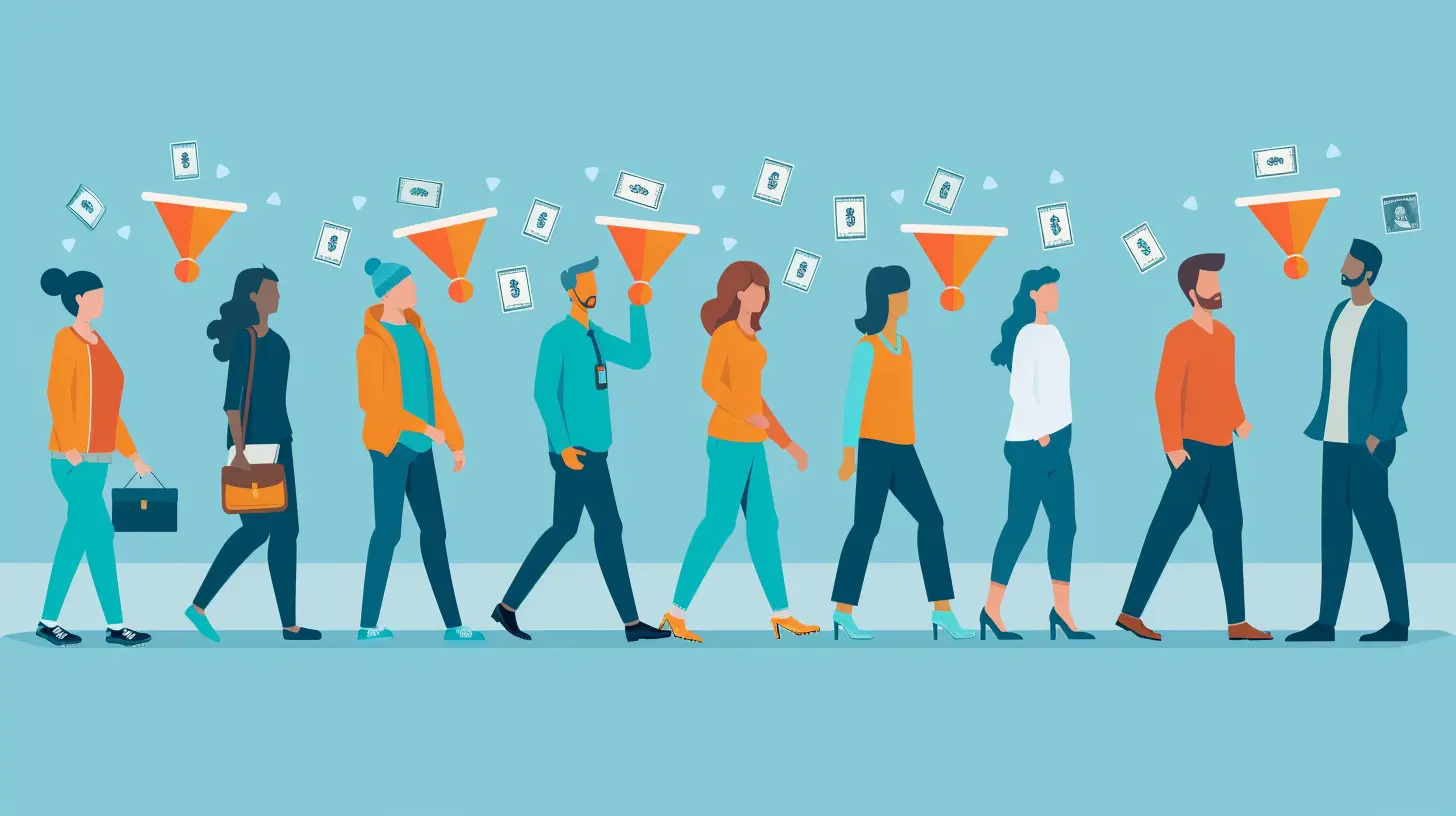
Setting the Stage: Know Your Audience
Before you whip up a referral plan, take a step back. Ask yourself:- Who are my best customers?
- What motivates them to share things?
- Where do they spend their time online?
You’ve got to understand your audience inside and out. Because the better you know them, the more compelling your referral offer will be.
Here’s a quick tip: If your customers are loyal but price-sensitive, a discount might work better than a free upgrade. If they’re tech-savvy and status-driven, exclusive early access might be more appealing.
Tailor your incentives to match what really makes them tick.
Choosing the Right Incentive
Let’s talk bribes — the good kind. You need to give people a reason to take action. That’s where incentives come in.Types of Referral Incentives
- Cash or gift cards – Great for B2C brands- Store credit or discounts – Keeps users coming back
- Free products or services – Ideal for SaaS or ecommerce
- Exclusive content or early access – Awesome for tech products or creators
- Tiered rewards – Gamification can drive more referrals
The trick? Make the reward feel valuable without eating away your profit margins. People love value, but they don’t need the moon.
Pro Tip: Double-sided incentives work best. Both the referrer and the referee get a perk. It creates a win-win situation and removes friction.
Making It Stupid Simple to Share
All the incentives in the world won’t help if your referral program is harder to use than your Aunt Karen’s VCR. You’ve got to make it ridiculously easy to share.Here’s how:
- Create a unique referral link – personalized and trackable- Add social share buttons – Facebook, Twitter, WhatsApp
- Allow email invites – pre-filled templates make it fast
- Use QR codes (yes, really!) – especially at events or in physical stores
- Automate everything – emails, reward delivery, tracking
Think about user experience here. If someone has to sign into three different apps just to send a referral, they won’t do it. Keep it smooth and friction-free.
Timing Is Everything
Ever try to sell someone a gym membership while they’re eating pizza? Timing matters.The best time to ask for a referral is when someone’s feeling good about your brand. That could be:
- Right after a purchase
- After solving a customer support issue
- When someone leaves a positive review
- After they hit a usage milestone (like completing a course or reaching a goal)
Basically, catch them while the good vibes are strong.
Promote It Like You Mean It
You’ve built this shiny new referral program — now what? You’ve gotta put it out into the world. No one’s going to sign up for a party they haven’t heard about.Where to Promote Your Referral Program:
1. Email CampaignsMention it in your onboarding sequence, newsletters, and even post-purchase emails.
2. In-App Notifications
If you’re SaaS or app-based, pop up a message when engagement peaks.
3. Website Placement
Add banners, popups, or dedicated landing pages. Don’t hide it in the footer!
4. Social Media
Create graphics, reels, and stories to drive awareness and clicks.
5. Checkout Pages
Perfect moment — they just bought. Offer a referral bonus if they share with a friend now.
Remember: You have to remind people. Once isn’t enough. Repetition builds awareness.
Tracking, Tweaking, and Optimizing
A referral program isn’t a set-it-and-forget-it kind of deal. You need to keep a close eye on performance.Key metrics to track:
- Number of referrals
- Conversion rate of referred leads
- Customer lifetime value of referred users
- Cost per lead via referrals
- Top referrers
Once you’ve got data coming in, test different variables.
- Try new reward amounts
- Adjust the copy in your invitation emails
- Change your CTA buttons
- Promote in different channels
Keep what works. Ditch what doesn’t. And keep optimizing.
Tools to Power Up Your Referral Game
You don’t have to do this all by hand (thank goodness). There are plenty of tools that make setting up and managing referral programs a breeze.Here are a few to check out:
- ReferralCandy – Perfect for ecommerce
- PostAffiliatePro – Great for affiliate-style referrals
- InviteReferrals – Simple to use with lots of integrations
- Referral Rock – Ideal for B2B and SaaS businesses
- Friendbuy – Sleek, customizable, and scalable
Choose one that fits your business model and customer behavior. And remember, the best technology won’t help a poorly designed program. Start with strategy, then scale with tech.
B2C vs B2B Referral Programs
Let’s pause for a sec. Referral programs look different depending on your industry.B2C Referral Programs
- Usually involve smaller transactions- Higher volume of users
- Rewards are often discounts or gifts
- Need to be fun, fast, and frictionless
B2B Referral Programs
- Fewer users, but bigger deals- Relationships matter more
- Rewards might include commission or exclusive perks
- Need to involve account managers or partners for success
Tailor your strategy to your business type. A B2C brand can push volume, whereas a B2B brand needs to focus on building trust and long-term value.
Common Mistakes (And How to Dodge Them)
Look, everyone messes up new marketing tactics now and then. But why not learn from others’ mistakes before you fall into the same potholes?Mistake #1: Making it overly complicated
Fix: Simplify. A three-step process is better than a 12-field form.Mistake #2: Offering weak incentives
Fix: Do your research — what would actually make someone tell a friend?Mistake #3: Not promoting it enough
Fix: Your referral program should be part of your ongoing marketing, not a one-time announcement.Mistake #4: Failing to track referrer activity
Fix: Use unique links and dashboards so people can see their impact.Mistake #5: Ignoring your top referrers
Fix: Give shoutouts, bonuses, or even feature them publicly!Real-World Example: Dropbox’s Legendary Referral Program
Let’s talk about one of the most famous referral programs of all time — Dropbox. They offered free storage to users who referred friends. Simple, right?But it worked like crazy. Their user base grew by 60% and they went from 100,000 to 4 million users in just 15 months.
Why did it work?
- Strong incentive (free cloud space)
- Both parties benefited
- Easy to share
- Integrated directly into the product
Now, you may not be Dropbox — but the takeaway here is clear: If you make it valuable and easy, people will spread the word.
Final Thoughts: The Referral Goldmine Is Yours
Referral programs aren’t just a trendy tactic. They’re a proven, powerful way to scale your lead generation. And the best part? They leverage something you already have — happy customers.By offering the right incentive, making it simple to share, and promoting it consistently, you can turn your existing users into your most effective lead magnets.
So, what are you waiting for? Build a program, test it, tweak it, and watch your leads grow on autopilot.
Remember: Happy people love to share. Just give them a reason to hit that send button.
all images in this post were generated using AI tools
Category:
Lead GenerationAuthor:

Baylor McFarlin
Discussion
rate this article
1 comments
Kristy McDonough
Referral programs can transform your lead generation strategy. By incentivizing existing customers to spread the word, you not only increase trust but also tap into new audiences. Focus on creating rewards that resonate to maximize engagement and results.
June 12, 2026 at 2:26 AM