Integrating Lead Generation with Inbound Marketing
7 April 2026
Let’s talk about two marketing powerhouses: lead generation and inbound marketing. On their own, they’re strong performers—but when you combine them strategically? That's where the magic happens.
So, if you're scratching your head wondering how to blend these two into a seamless growth machine, buckle up. This is your detailed, no-fluff guide to integrating lead generation with inbound marketing. We’ll keep it real, human, and straight to the point.

What Is Lead Generation (And Why It Matters)?
Lead generation is all about sparking interest. Think of it like fishing—you’re casting lines out there hoping for some bites. In marketing, these ‘bites’ are people who show a genuine interest in your product or service.You might already be familiar with the usual suspects:
- Landing pages
- Contact forms
- Free eBooks
- Webinars
- Sign-up offers
The goal? Capture contact info. Get them in your system. Nurture them. Convert them.
Pretty straightforward, right?
But the real trick is doing it without feeling pushy or salesy. That’s where inbound marketing sweeps in.

Okay, So What’s Inbound Marketing?
Inbound marketing is the friendly, helpful neighbor of the marketing world.It’s not about shouting your message from rooftops. Instead, it’s about attracting folks to you by being helpful and valuable. Sort of like hosting a backyard BBQ with really good food—people want to show up because the experience is great.
Inbound marketing uses:
- Blog posts 👩💻
- Social media 🌐
- SEO 🔍
- Videos 📹
- Email newsletters ✉️
It’s about creating content people actually want to consume. And when done right, it builds trust and credibility.

So, Why Integrate Them?
Simple. When you pair inbound marketing with lead generation, you’re not just tossing random fishhooks into the water—you’re building a pond in your own backyard where leads want to swim.Inbound pulls in curious visitors. Lead generation converts them.
It’s peanut butter meeting jelly. Total game-changer.
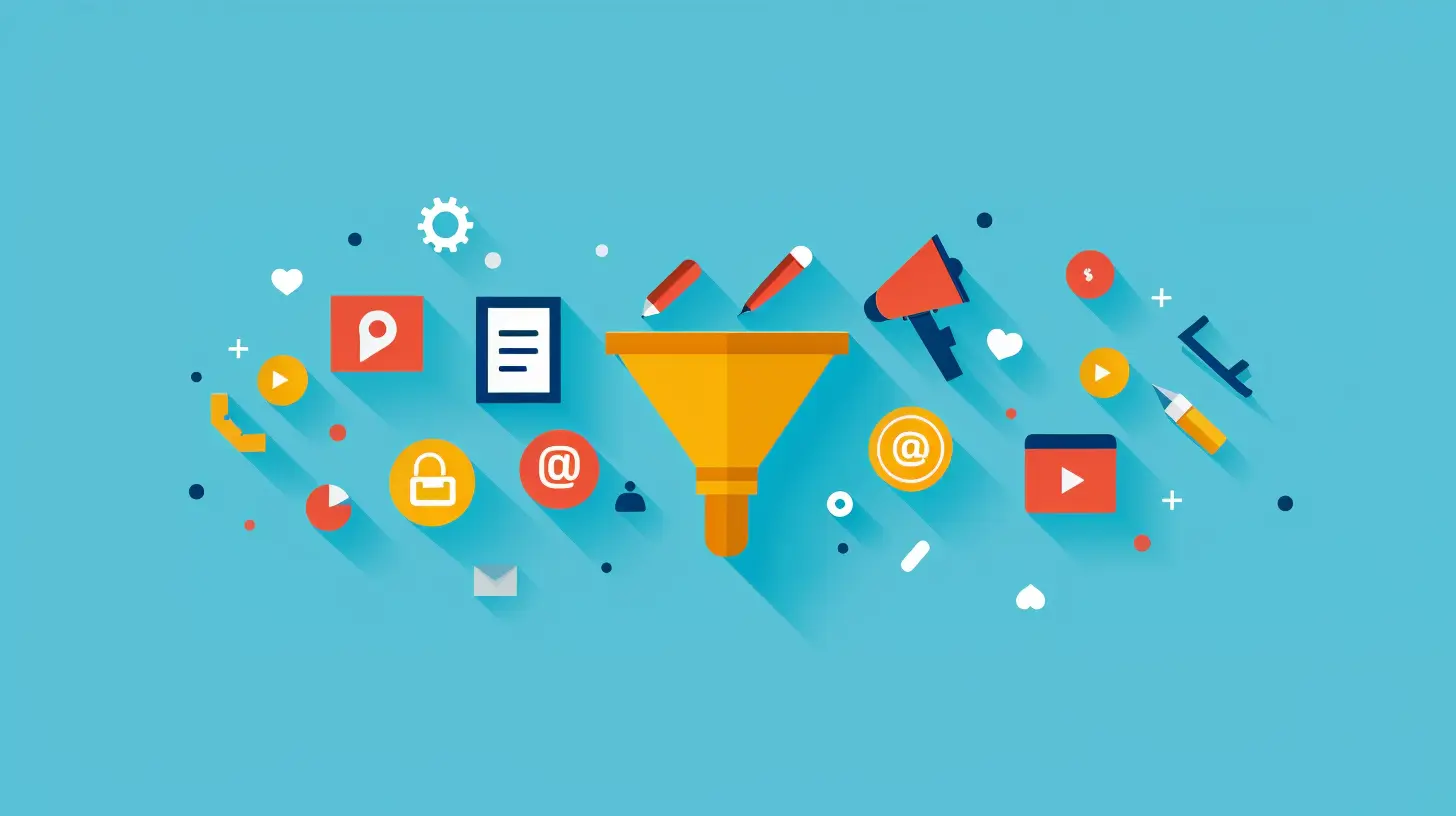
The Benefits of Integrating Lead Generation with Inbound Marketing
Let’s break down what you stand to gain when you stop running them separately:1. Better-Qualified Leads
Inbound naturally filters for interest. When someone downloads your guide or reads your blogs, it’s a sign—they’re already warming up. Now when you swoop in with a lead magnet, they’re more likely to opt in.2. A More Enjoyable Buyer Journey
Nobody likes to be sold to. But everybody likes to learn something new or solve a problem. That’s what inbound does—it educates and solves. Then, lead generation gently nudges prospects further down the funnel.3. Long-Term Growth
Outbound tactics can be like sprinting—they exhaust your budget fast. Inbound builds a sustainable marathon strategy. Your content keeps working for you long after you’ve posted it. And lead gen tools ensure you’re capturing that interest over time.4. Higher ROI
Content + conversion = cash. That’s math we can all support.How to Integrate Lead Generation with Inbound Marketing (Step-by-Step)
Alright, now let’s get tactical. Here’s how to marry the two strategies without needing a marketing PhD.Step 1: Know Your Audience Inside and Out
If you don't know who you're talking to, you're basically whispering into the void.Start by creating buyer personas. These are detailed profiles of your ideal customers. Include stuff like:
- What are their pain points?
- Where do they hang out online?
- What are they Googling at 11 PM when they can’t sleep?
The more specific you get, the better your content and lead gen tools will resonate.
Step 2: Create Targeted, High-Value Content
Here’s something most marketers forget—content is bait. And if your bait is weak, fish won’t bite.You’ve got to build content that knocks their socks off. Whether it’s a blog post, video, or downloadable checklist, it should:
- Solve a real problem
- Be easy to consume
- Lead naturally to your lead magnet
Remember: Your content builds the relationship; your lead magnet seals the deal.
Step 3: Use Strategic Lead Magnets
Lead magnets are irresistible offers that people get in exchange for their contact info. These should be related to the content they just consumed.Some killer lead magnet ideas:
- Ultimate guides
- Free templates
- Calculators or quizzes
- Webinars
- Exclusive research reports
The key? Make it feel like the logical next step. If someone just read a blog titled “10 Ways to Fix Your Morning Routine,” offer a downloadable “Morning Routine Planner.”
It’s all about flow.
Step 4: Optimize Landing Pages for Conversion
You can’t talk about lead generation without touching on landing pages. These pages are where visitors go from curious to committed.Make sure your landing pages:
- Have a clear, benefit-driven headline
- Use bullet points for easy scanning
- Include a strong, visible call-to-action (CTA)
- Minimize distractions (ditch the navigation bar)
- Highlight testimonials or social proof if possible
Pro tip? A/B test everything. Headlines, button colors, form fields—you name it.
Step 5: Use Email to Nurture and Qualify
Okay, you’ve got the lead. Now what?Don’t just let them rot in your CRM. Send them helpful, value-packed emails that guide them forward. Personalize them. Segment your lists based on behavior.
Use your emails to:
- Deliver what was promised
- Offer bonus tips
- Guide them to more content
- Set up a sales call when ready
Email is still one of the highest ROI tools out there—don’t sleep on it.
Step 6: Amplify with SEO and Social Media
Once your content and lead magnets are ready, get them seen. Traffic is the fuel that powers your lead gen engine.- Use SEO to make your blogs rank
- Share content on social platforms
- Repurpose into infographics, carousels, reels—whatever your audience likes
- Use paid ads to push high-performing lead magnets
The more eyeballs you get, the more leads you’ll collect.
Step 7: Measure, Adjust, Repeat
Finally, measure what’s working (and what’s flopping).Track:
- Lead conversion rates
- Email open rates
- CTA click rates
- Time on page
- Form submissions
Use this data to tweak your strategy. Over time, your lead gen and inbound machine will run smoother and faster.
Common Pitfalls to Avoid
Now, integrating these two strategies isn’t foolproof. Here are some landmines to steer clear of:❌ Creating content without a goal
Every piece should lead somewhere—toward a lead magnet, a product, or a deeper engagement.❌ Asking for too much info
Don’t make people fill out 15 fields just to download a checklist. Keep your forms lean.❌ Ignoring mobile users
More than half your traffic is probably coming from phones. Make sure your content and forms are mobile-friendly.❌ Not following up
A lead is worthless if it just sits in your database. Have a consistent follow-up system in place.Real-Life Example: How This Works in the Wild
Let’s say you sell productivity software for small businesses.1. You write a blog titled: “5 Productivity Hacks You Can Implement Today”
2. At the end, you offer a free “Weekly Productivity Planner” PDF
3. Visitors fill out a short form to download it—boom, new lead
4. You send a thank-you email with the PDF, followed by a 3-part email series:
- Day 1: Tips on using the planner
- Day 3: A video walkthrough of your software
- Day 7: A CTA to book a free strategy session
That’s the inbound-lead-gen combo in action. Smooth, helpful, and 10x more likely to convert than a cold pitch.
Wrapping It All Up
So here's the deal—inbound marketing attracts. Lead generation converts. Put them together, and you’ve got a marketing strategy that:- Doesn’t annoy or overwhelm people
- Builds genuine interest and trust
- Grows your lead list organically (and effectively)
- Sets the stage for long-term customer relationships
If you’ve been treating your inbound and lead gen efforts like distant cousins, now’s the time to bring them together. When they work as one, your business climbs higher. 💥
And who doesn’t want that?
all images in this post were generated using AI tools
Category:
Lead GenerationAuthor:

Baylor McFarlin
Discussion
rate this article
2 comments
Davina McGinnis
Balancing lead generation with inbound marketing requires a mindset shift. Focus on creating genuine connections rather than just numbers, and watch your impact grow organically.
May 29, 2026 at 4:05 AM
Baylor McFarlin
Absolutely. Genuine connections drive meaningful engagement and results. It's all about building trust and value, not just chasing metrics.
Jessamine Wilkins
Integrating lead generation with inbound marketing is essential for driving sustainable growth. A cohesive strategy not only attracts prospects but also nurtures them into loyal customers.
April 8, 2026 at 12:17 PM
Baylor McFarlin
I completely agree. A unified approach truly enhances the customer journey and builds lasting relationships.