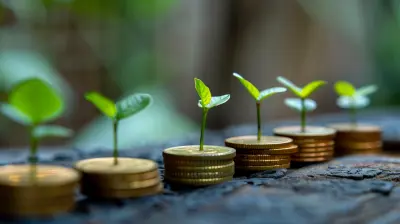
Sustainable Expansion: Balancing Growth and Environmental Responsibility
8 December 2025
Let’s talk about growth—and not just any growth, but the kind that actually makes sense for the long run. We're in a world where "grow fast or die" was once the golden mantra for businesses. But now, that phrase is starting to sound a little out of touch. Why? Because growth at any cost is no longer cool. Sustainable expansion is the name of the game today.
So, how do you scale your business while also keeping your conscience—and the planet—intact? Let’s dig in.
What Is Sustainable Expansion?
Before going any further, let’s get one thing straight—what exactly do we mean by “sustainable expansion”?In simple terms, sustainable expansion is about growing your business in a way that doesn’t wreck the environment or exploit people. It's like trying to have your cake and eat it too—but doing it wisely. It’s a balanced blend of business ambition and long-term responsibility.
It’s not just a trend; it’s a shift in how businesses are choosing to operate. Think of it as running a marathon instead of a sprint. You’re still aiming for the finish line, but without burning yourself—or the planet—out.
Why Sustainability Matters More Than Ever
Ever heard the saying, “There’s no business on a dead planet”? It's not just a catchy line—it’s a wake-up call. Climate change, resource depletion, and social inequality are real and pressing issues. And consumers? They’re paying attention.People are getting smarter about where they spend their money. Younger generations, especially Gen Z and millennials, are all about ethical choices, eco-friendly packaging, and companies that stand for something more than just profit.
If you’re not on the sustainability train yet, you might find yourself left behind at the station.
The Double-Edged Sword of Business Growth
Growth is exciting, isn’t it? More customers, more sales, more profits. But let’s be real—rapid growth can be messy.When businesses scale too quickly, they often:
- Overuse natural resources
- Create more waste and emissions
- Rely on cheap (and sometimes unethical) labor
- Ignore community or environmental impact
Now, this doesn't mean you shouldn't strive for success. But the goal should be to grow smart, not just fast. It’s like upgrading your car—instead of going for the gas-guzzling sports car, maybe choose the sleek, energy-efficient hybrid.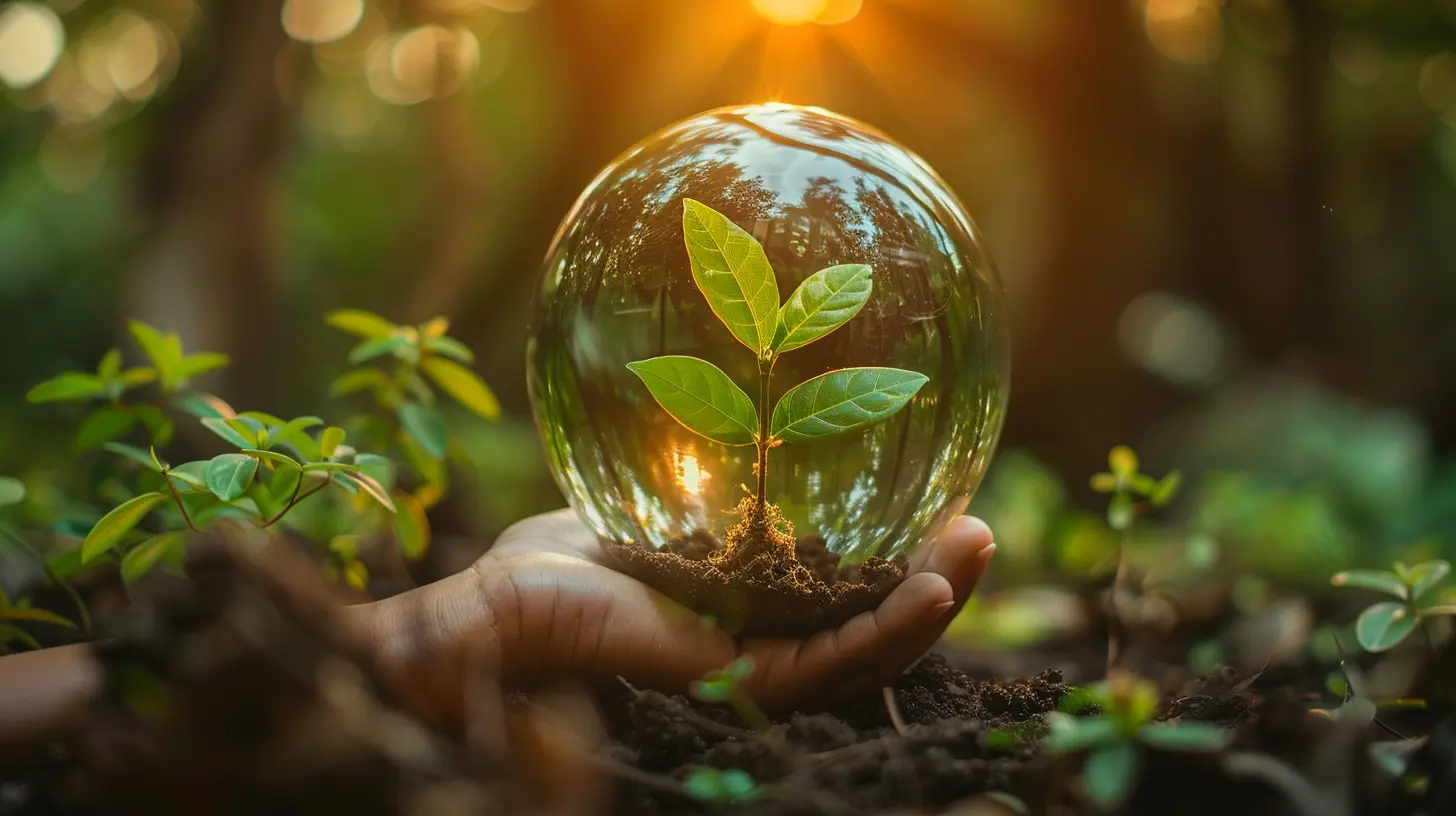
How To Achieve Sustainable Expansion
Alright, so we know what it is and why it matters. But how do you actually pull it off?Let’s break it down step by step.
1. Set Clear Sustainability Goals
First things first—know what you’re aiming for.Do you want to reduce your carbon footprint by 30% in 5 years? Use 100% renewable energy in your operations? Cut down packaging waste by half?
Don’t just talk the talk; walk it with measurable goals. And don’t be vague—“going green” isn’t a strategy. Get specific.
Think of these goals like a GPS for your business journey. Without directions, you’re just cruising around aimlessly.
2. Rethink Your Supply Chain
The supply chain is often where the biggest impact (and biggest waste) happens.Ask yourself:
- Where are my materials coming from?
- Are my suppliers practicing ethical labor standards?
- How much fuel is being burned to get stuff from point A to B?
Opt for local suppliers where possible, use eco-friendly materials, and maintain transparency. You might pay a little more upfront, but the long-term payoff—in customer trust and reduced impact—is worth every penny.
3. Invest in Green Technologies
Technology is your friend here.From energy-efficient equipment to low-emission transportation, there are tons of ways to go green without slowing down. If you're in manufacturing, try upgrading to machines that use less water or energy. Digital tools can also help you monitor waste and efficiency in real time.
And hey, renewable energy is more affordable now than ever. Switching to solar panels or wind energy might seem like a big move, but it could save you money in the long run.
4. Go Easy on the Packaging
Packaging waste is one of the most visible signs of environmental damage.If your product comes wrapped in five layers of plastic that ends up in a landfill, customers notice—and they’re not impressed.
Switching to biodegradable, recyclable, or reusable packaging not only cuts waste but also wins you major points with eco-conscious consumers.
Remember, less is more here. Simplicity can be powerful.
5. Engage Your People
Sustainability is a team sport. You can’t go it alone.Get your employees involved. Provide training, encourage green habits in the workplace, and make sustainability part of your company culture.
Who knows? That intern might have the next big idea for reducing waste or saving energy. When people feel like they're part of something bigger, they bring their A-game.
6. Be Transparent and Accountable
You don’t have to be perfect. But you do have to be honest.Share your sustainability efforts openly. Publish annual impact reports, highlight what you’ve achieved, and—yes—admit where you still have work to do.
Customers don’t expect you to be flawless, but they do expect honesty and effort. It builds trust and sets you apart from businesses that are all talk.
Benefits of Sustainable Expansion
You might be thinking, “Okay, this all sounds good, but does it actually help the bottom line?”Absolutely. In fact, sustainable practices come with a boatload of benefits:
- ✅ Customer Loyalty – People love supporting businesses that care.
- ✅ Cost Savings – Energy efficiency, waste reduction, and smart logistics can all cut costs.
- ✅ Brand Reputation – Sustainability sets you apart in a crowded market.
- ✅ Investor Interest – More investors are putting their money into ethical and sustainable ventures.
- ✅ Regulatory Compliance – Getting ahead of environmental regulations saves future headaches.
So, yes, being green can make you some green too.
Real-World Examples of Sustainable Expansion
Let’s look at a few companies that have nailed this balance.🌱 Patagonia
Patagonia has long been a leader in environmental stewardship. They're not just selling jackets. They're advocating for conscious consumerism. They even encourage customers to buy less and repair old gear. Wild, right?☕ Starbucks
Starbucks is known for its massive global footprint, but they’re also moving toward ethical sourcing, reducing plastic waste, and building energy-efficient stores.🌍 IKEA
IKEA is working towards using only renewable and recycled materials by 2030. Yup, even the big players are jumping on board.Notice the trend? Forward-thinking. Transparent. Intentional.
The Challenges of Sustainable Growth
Okay, it’s not all sunshine and recycled rainbows. There are challenges, too.- Higher upfront costs – Eco-friendly options can be pricier at first.
- Complex supply chain changes – It takes time and effort to restructure operations.
- Skepticism and greenwashing – If you’re not genuine, people notice (and call you out).
But here’s the kicker: doing the hard thing often turns out to be the right thing. And that’s what legacy-building is all about.
How To Start Today
Ready to take the leap? Here’s a simple roadmap to help you kick things off.1. Audit your business – Understand your impact. Where are you efficient? Where’s the waste?
2. Set short- and long-term goals – Get clear on your sustainability vision.
3. Create a team or hire a sustainability officer – Assign someone to own this.
4. Pick low-hanging fruit first – Start with eco-friendly packaging or remote work policies.
5. Communicate your progress – Share wins and losses with your audience.
Baby steps still move you forward.
Final Thoughts: Growth with Purpose
In the end, sustainable expansion isn’t just about saving polar bears or planting trees (though those are great too). It’s about building a business that will last—a business future generations can be proud of.Your growth can be a force for good.
So the next time you think about scaling up, ask yourself: “Is this helping more than just my bottom line?”
Because when you grow with purpose, everyone wins.
all images in this post were generated using AI tools
Category:
Business ExpansionAuthor:

Baylor McFarlin
Discussion
rate this article
2 comments
Vance Ford
What a fantastic read! It’s inspiring to see businesses embracing sustainable expansion while prioritizing environmental responsibility. This balance not only fuels growth but also nurtures our planet for future generations. Here's to a greener, thriving world—let's continue championing sustainability in every step of our journey!
December 20, 2025 at 12:26 PM
Baylor McFarlin
Thank you for your kind words! I'm glad you found the article inspiring. Together, we can pave the way for sustainable growth and a healthier planet!
Ariana McAllister
Embrace growth with purpose; sustainable choices today create a brighter tomorrow for all!
December 11, 2025 at 5:21 AM
Baylor McFarlin
Thank you for your insightful comment! Embracing purposeful growth is indeed key to achieving sustainability and a better future for everyone.