The Financial Impact of Supply Chain Disruptions
16 August 2026
Let’s face it: supply chain disruptions are something we’ve all heard about—especially in the last few years. Whether it’s the global pandemic, a ship getting stuck in the Suez Canal, or semiconductor shortages, these hiccups don’t just make headlines—they hit businesses where it hurts most: the bottom line.
In today’s interconnected world, supply chains stretch across continents. That’s great for scalability and cost efficiency…until something goes wrong. And when it does, the financial ripple effects can be staggering. So let’s talk about how exactly supply chain disruptions can knock the wind out of your financial sails—and what you can do about it.
What Is a Supply Chain Disruption?
Before we dive into the money talk, let’s break down what we mean by a supply chain disruption. Simply put, it's any event—big or small—that interrupts the usual flow of goods and materials in your business chain. It could be a natural disaster, a cyberattack, labor strikes, political unrest, or even a sudden spike in demand.Imagine you run a coffee shop. Your beans come from Brazil, your cups from China, and your milk from a local dairy. If any of those links break—say, a flood in Brazil or a shipping delay in China—you've got yourself a disruption.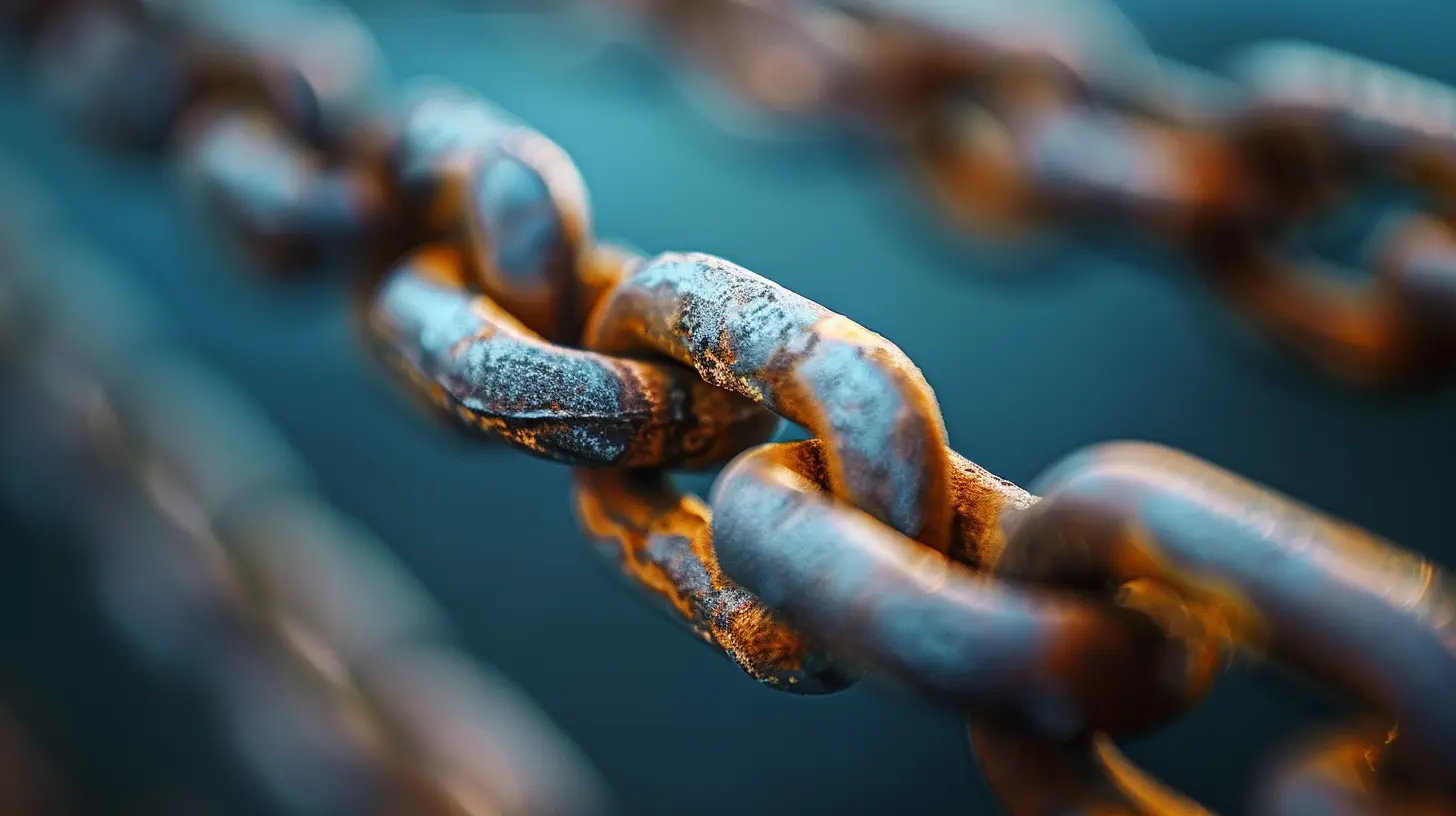
How Supply Chain Disruptions Affect the Bottom Line
Disruptions aren’t just annoying—they’re expensive. Let’s unpack the financial hit from a few different angles.1. Increased Costs Across the Board
When something goes off the rails, costs pile up faster than dirty dishes in a diner.- Shipping and transportation: When usual routes are blocked or congested, you might have to pay premium prices for alternative logistics.
- Raw materials & parts: If a shortage hits, suppliers crank up their prices. Basic economics, right? Less supply, more demand = more $$$.
- Labor: Hiring temp workers or paying overtime to keep things moving can put a dent in your budget real quick.
For larger companies, these added costs can soar into the millions. For smaller ones? It could mean the difference between profit and bankruptcy.
2. Lost Revenue
This one stings the most.If you don’t have products to sell because your suppliers couldn’t deliver, your revenue stream dries up. Customers can't buy what you don't have.
- Retailers lose sales and foot traffic.
- Manufacturers may have to pause production.
- Service providers reliant on physical goods see delays in delivering value.
Sometimes, you not only lose the immediate sale, but you might lose that customer for good. People aren’t exactly patient these days.
3. Inventory Problems
You know what’s not fun? Having the wrong stuff at the wrong time. Either you're sitting on too much inventory (hello, warehousing costs!), or you don't have enough (hello, backorders and angry customers).Many companies try to run "lean" with minimal inventory to save money. That works—until a disruption hits. Suddenly, lean becomes "dangerously thin."
4. Credit and Cash Flow Issues
When revenue stops but costs keep climbing, guess what happens? Yup, cash flow problems.Businesses often rely on steady supply chains to ensure smooth operations. Interrupt that, and you may struggle to pay rent, suppliers, or even employees.
That can also mess with your credit rating. Lenders won’t exactly be thrilled to offer favorable terms if your numbers are all out of whack.
5. Shrinking Margins
Margins are everything in business. And when every link in the supply chain starts demanding more money for less reliability, your margins start to vanish.Suddenly, that product you marked up 30% is barely breaking even—or worse, you're selling at a loss just to keep customers happy.
Real-World Examples of the Financial Toll
Don’t just take my word for it. Let’s look at some real-world examples where supply chain disruptions caused major financial headaches.The Suez Canal Blockage (2021)
Remember when one ship got stuck and held up nearly 12% of global trade for a week? Yeah, that was a big one.- Estimated cost to global trade: $9.6 billion per day.
- Retailers in the US and Europe faced weeks of delays.
- Companies had to reroute ships, which cost more time and money.
COVID-19 Pandemic
This was the mother of all supply chain disruptions. From factories shutting down to panic buying toilet paper, the ripple effects touched every industry:- Small businesses with tight capital reserves went under.
- Auto makers had to halt production due to semiconductor shortages.
- Shipping container costs skyrocketed—by as much as 400% in some cases.
Texas Winter Storm (2021)
Severe weather crippled energy supplies and manufacturing across the state. For companies reliant on Texas-based production (especially in the petrochemical industry), the financial consequences were immediate and brutal.
The Hidden Long-Term Costs
The financial impact isn’t just short-term. Disruptions can damage your brand, increase future insurance premiums, and force you to spend more on risk management down the line.1. Damaged Brand Reputation
Ever waited weeks for an online order only to be disappointed? That stuff sticks. Repeated supply chain issues erode customer trust. And winning back that trust? Way more expensive than keeping it in the first place.2. Higher Insurance Premiums
Businesses heavily affected by supply chain risks often see their premiums go up. Insurance companies aren’t charities—they’ll price policies based on risk. If you’re seen as high risk, brace yourself for higher premiums.3. Increased Investment in Backup Plans
To avoid future disruptions, you might find yourself spending more on:- Diversifying your supplier base
- Using multiple shipping routes
- Building local warehousing solutions
These are all smart moves—but they come at a cost.
Practical Tips to Minimize Financial Impact
Alright, it's not all doom and gloom. There are proactive steps you can take to shield your bank account from the next big disruption.1. Diversify Your Suppliers
Don’t put all your eggs in one basket. Working with multiple suppliers—even if it's a bit more complex—gives you flexibility when one source dries up.Think of it like investing: you don’t want a portfolio made of just one stock.
2. Use Technology to Predict and Prepare
Modern supply chain software can help you spot risks before they become disasters. AI and predictive analytics are your friends here.- Know where your goods are at all times.
- Forecast delays and act early.
- Identify weak links in the chain.
3. Build Safety Stock
Yes, it costs more to keep inventory on hand. But having some buffer stock during uncertain times can be a lifesaver—literally saving your revenue stream and your reputation.4. Foster Strong Supplier Relationships
Want priority treatment when supplies are tight? Be the client your suppliers love. That means paying on time, maintaining open communication, and working collaboratively.Loyalty goes both ways.
5. Have a Contingency Plan
You’ve got a fire escape plan, right? Your supply chain should have one too.- Identify critical points of failure.
- Map out alternative sources and routes.
- Assign roles for disruption response.
When things go sideways, knowing what to do can cut your financial losses in half—or more.
The Role of Risk Management
Supply chain risk management isn't sexy, but it's necessary. It’s the financial seatbelt that protects your business from going through the windshield when disruptions occur.Create a risk profile for your supply chain. Know what's at stake. Regularly review and stress-test your systems.
It might feel like overkill—until it’s suddenly not.
Final Thoughts: Supply Chains and Financial Survival
So, we’ve come full circle. If there’s one takeaway here, it’s that supply chain disruptions are more than just temporary speed bumps—they’re financial potholes that can mess up your entire ride.Whether you're a massive enterprise or a local startup, the effects are real: rising costs, falling revenue, unhappy customers, and stressed-out teams. But by preparing, diversifying, and staying flexible, you can make sure your finances weather the storm.
Because at the end of the day, your supply chain isn’t just part of your business—it is your business.
all images in this post were generated using AI tools
Category:
Corporate FinanceAuthor:

Baylor McFarlin
Discussion
rate this article
1 comments
Melina Bowman
Supply chain disruptions can significantly affect a company's bottom line. Understanding these financial impacts is crucial for businesses to develop strategies that mitigate risks and maintain stability in an unpredictable market.
August 16, 2026 at 4:23 AM