The Key to Resilient Digital Identity Systems in Business: Blockchain
18 July 2026
Let’s face it—digital identity has become the unsung hero (or villain) of modern business. From logging into platforms to signing documents, your identity is everywhere and nowhere all at once. But here's the kicker: traditional digital identity systems are flawed. They’re centralized, often insecure, and not exactly built for the hyper-connected world we’re living in today.
So, what’s the game-changer? Say hello to blockchain. Yeah, the same tech behind Bitcoin and crypto buzz is now stepping into the digital identity arena like a knight in shining armor.
In this article, we’re peeling back the layers behind how blockchain is revolutionizing business digital identity systems. Don’t worry—we’ll keep it jargon-lite, metaphor-rich, and easy to digest. Ready? Let’s dive in.
What is Digital Identity (and Why Should You Care)?
Before we get into the nitty-gritty, let’s pause for a second.Imagine walking into a club. The bouncer checks your ID to confirm who you are, your age, and whether you’re on the guest list. That’s your real-world identity being verified.
Now switch the scene to your online life. When you log in to your email or access your bank account, those systems need to verify your “digital self.” That’s your digital identity—and it includes things like usernames, passwords, biometric data, and even your email addresses.
But here’s the problem: in traditional systems, your identity is stored in centralized databases, often managed by third parties. That’s like having one key to your whole life—and storing hundreds of copies of it in different buildings hoping none of them get robbed.
Spoiler alert: they do.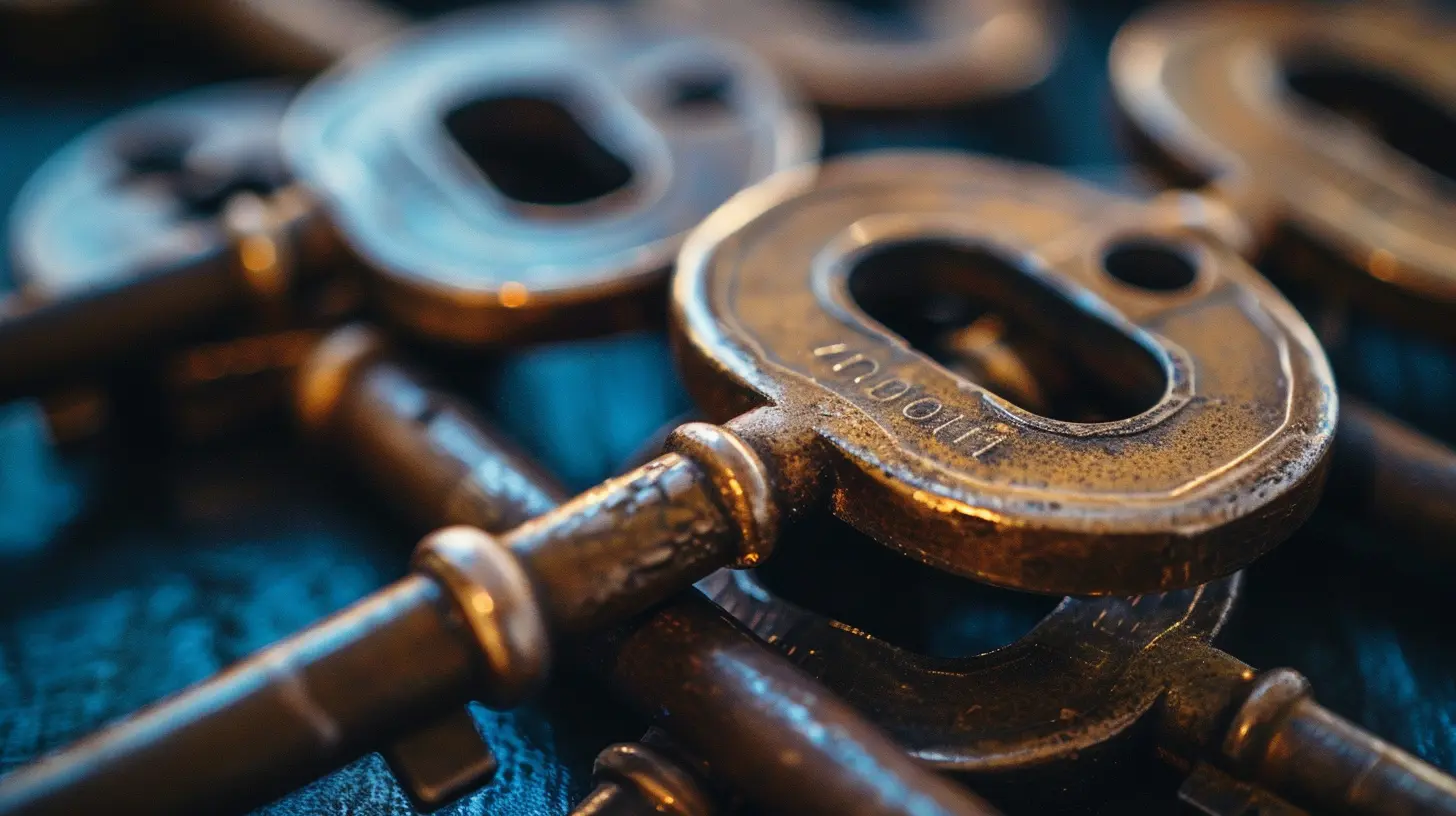
The Crisis of Centralized Identity
Let’s talk turkey—centralized identity systems are a security nightmare. Think data breaches, identity theft, and hackers having a field day with your personal info. Remember the infamous Equifax breach? Ring a bell? The personal info of 147 million people got leaked. That’s half the U.S. population!Centralized identity is not just unsafe—it’s inefficient. You have to create a new login for every new service. Forgot your password? Good luck recovering it. This mess slows down operations for businesses, confuses users, and creates a minefield of cybersecurity risks.
So how can businesses build identity systems that are secure, transparent, and—here’s that magic word—resilient?
Cue the entrance of blockchain.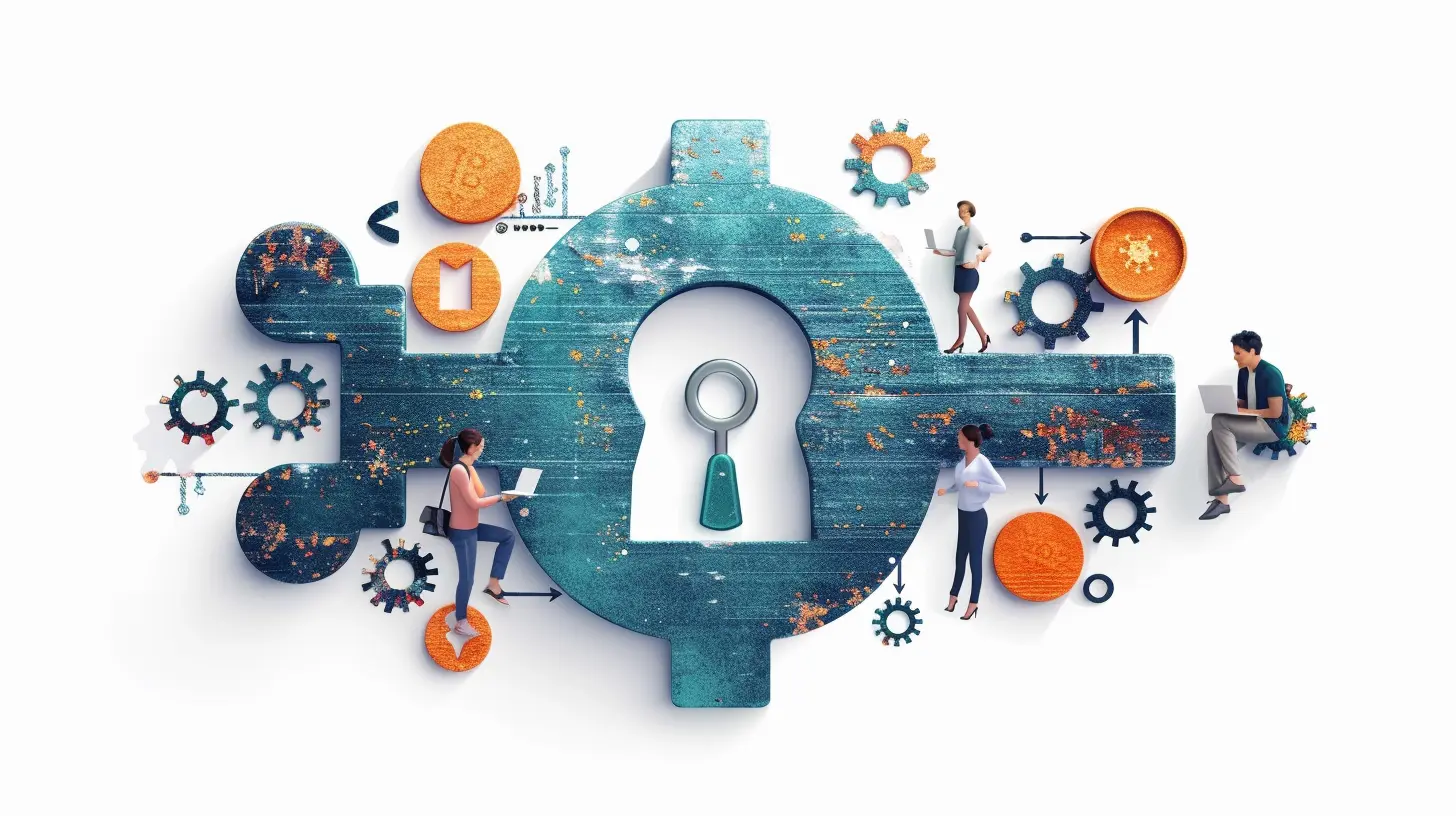
Blockchain: The Digital Identity Supercharger
Okay, quick refresher—what’s blockchain?At its core, blockchain is a decentralized ledger that records transactions across a network of computers. It’s nearly impossible to tamper with, and it doesn’t rely on a central authority. Think of it like a giant Google Sheet that’s shared, encrypted, and updated in real-time—except it’s almost unhackable.
Now apply that to identity.
With blockchain, you can create a digital identity that is:
- Decentralized: You control it, not a third party.
- Immutable: No one can alter your identity without your permission.
- Verifiable: Others can confirm your identity without peeking into your private data.
That’s not just a win—it’s a triple crown.
How Blockchain Enhances Digital Identity in Business
Now that we know what blockchain brings to the table, let’s break down the benefits for businesses.1. User-Centric Control (You Hold the Keys)
With blockchain-based identity systems, users actually own their digital identities—not companies. That means your customers can choose what info to share and with whom. It’s like carrying a digital passport in your pocket, and only flashing it when necessary.For businesses, this reduces legal liability and builds trust. No more babysitting mountains of sensitive user data or navigating messy compliance regulations alone.
2. Improved Security (Bye-Bye, Breaches)
Hackers love centralized databases because they’re treasure chests of valuable data. But with blockchain, there’s no single point of failure. The data is distributed across a network, and any changes require consensus. That's a hacker’s worst nightmare.Plus, using cryptography, you can verify someone’s identity without actually storing their data. It's like checking a VIP list without ever seeing personal details.
3. Faster Transactions (No More Red Tape)
Traditionally, verifying identity can take hours—or even days. With blockchain, it’s practically instant.Let’s say an employee changes departments or gets promoted. Instead of updating 10 different systems manually, a single blockchain-based identity update flows across apps seamlessly. That’s not just convenient—it’s efficient.
4. Universal Access (One ID to Rule Them All)
Blockchain opens the door to a universal digital identity. Imagine logging into your bank, signing legal documents, or attending a virtual meeting—all with the same secure digital ID.This kind of consistency simplifies life for users and reduces friction for businesses. It's a win-win.
Practical Use Cases in Business
Okay, so where’s this actually being used? Let’s look at some real-world scenarios.1. Finance & Banking
Know Your Customer (KYC) regulations are a big deal in finance. With blockchain-based identities, banks can verify a customer once and share that verification securely across other platforms.This saves time, cuts cost, and makes fraud nearly impossible.
2. Healthcare
Ever had to fill out the same medical history form over and over? Blockchain digital IDs can allow patients to carry their medical records securely and share them with doctors as needed.No duplication. No lost files. Just better care.
3. Human Resources
Hiring? Verifying credentials can be a pain. With blockchain, resumes, degrees, and certifications can be verified instantly. No more chasing universities or past employers for proof.4. E-Commerce & Customer Loyalty
Blockchain identity can make checkouts faster and loyalty programs smarter. Users can hop from one brand to another with a single digital ID while keeping their perks intact.Challenges (Because Nothing’s Perfect)
I know what you’re thinking—"This sounds amazing, but what’s the catch?"Well, like any technology, blockchain isn’t a magic wand.
- Scalability: Blockchains can struggle with speed when too many people use them at once. Think of a traffic jam on a decentralized highway.
- User Adoption: Not everyone’s tech-savvy. Explaining blockchain to your grandparents? Good luck.
- Regulatory Hurdles: Laws haven’t caught up. There’s a lot of gray area, especially with data privacy and cross-border identity.
But guess what? These are growing pains. And as the tech matures, so will the solutions.
The Future: A Trustless System We Can Actually Trust
Picture this: You walk into a new business, digitally speaking, and they already know who you are. They don’t have your data, but they can verify everything they need to. No forms to fill, no passwords to remember, no accounts to create.That’s the promise of blockchain-based digital identity.
Businesses will spend less time managing users and more time building relationships. Users will feel safer navigating the digital landscape. And the internet? It might just become a little more human-friendly.
Final Thoughts
Blockchain isn’t just another tech trend—it’s a foundational shift in how we think about digital identity. For businesses looking to future-proof their operations, reduce risk, and build user trust, blockchain offers a resilient, flexible, and secure solution.Let’s not sugarcoat it: the road to adopting blockchain digital identity systems won’t be a straight line. But it’s definitely the right direction.
So, the question isn’t “Should we use blockchain for digital identity?” It’s “How soon can we start?
all images in this post were generated using AI tools
Category:
Blockchain In BusinessAuthor:

Baylor McFarlin