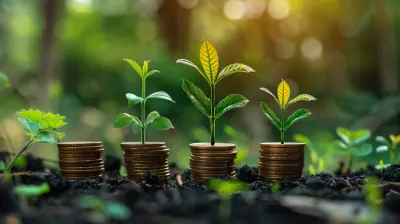
The Role of Blockchain in Building Trust and Transparency in the Food Industry
4 January 2026
Introduction
Have you ever wondered where your food really comes from? In today's fast-paced world, we often take our meals for granted, without questioning their journey from farm to plate. With growing concerns over food safety, fraud, and ethical sourcing, consumers are demanding more transparency. And this is where blockchain technology steps in.
Blockchain is revolutionizing industries worldwide, and the food sector is no exception. It has the potential to eliminate doubts about food origins, ensure quality, and build trust between producers, sellers, and consumers. But how exactly does blockchain achieve this? Let’s break it down in a simple and engaging way.
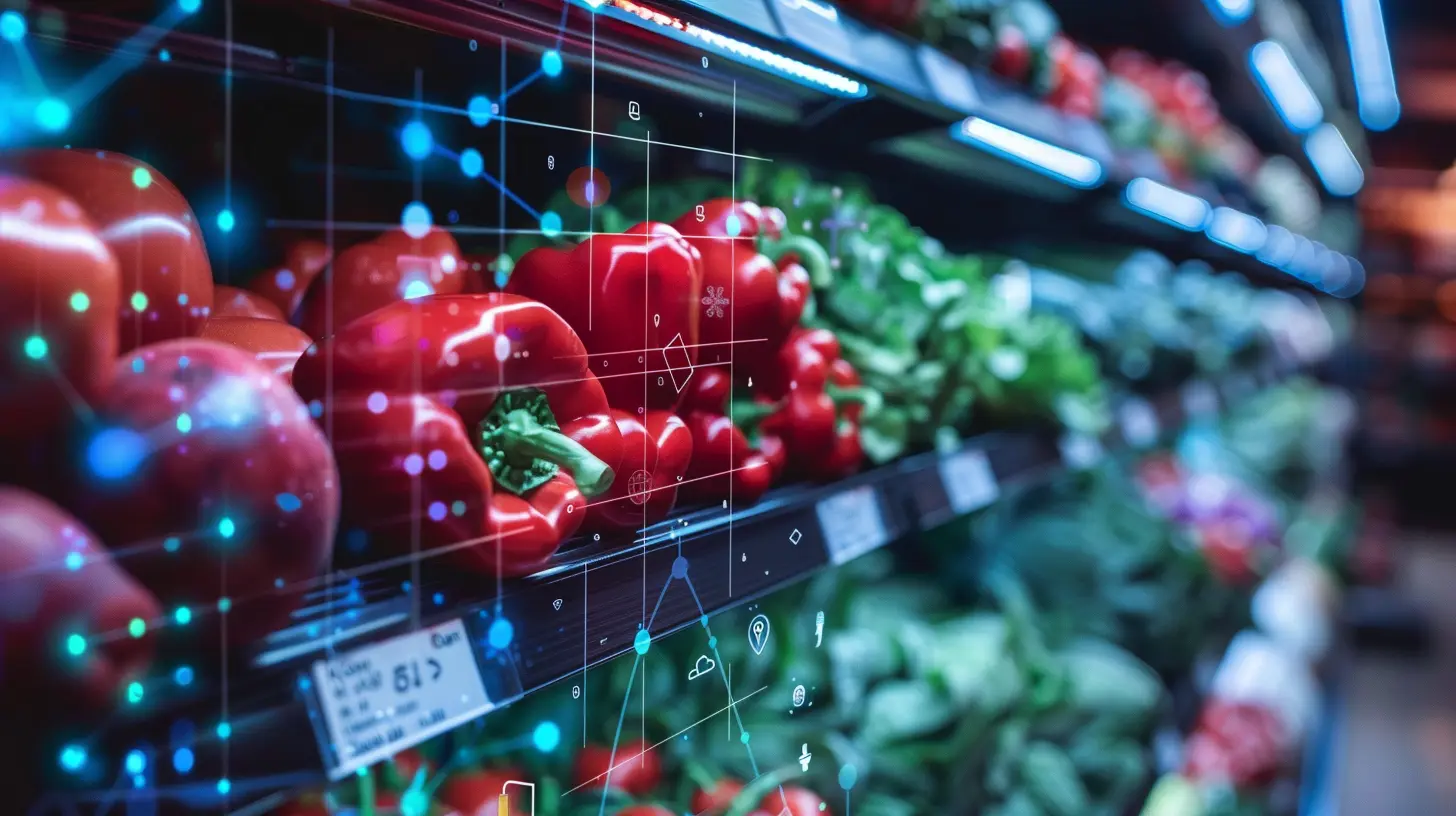
What Is Blockchain and Why Should We Care?
Blockchain is like a digital ledger—think of it as an unchangeable diary where every transaction is recorded, verified, and stored securely. Unlike traditional databases, blockchain is decentralized, meaning no single entity controls the information.When applied to the food industry, blockchain ensures that every step of the supply chain—from harvesting crops to stocking grocery store shelves—is transparent and tamper-proof. This means no more fake organic labels, no more mysterious supply chains, and, most importantly, no more uncertainty about what we’re eating.
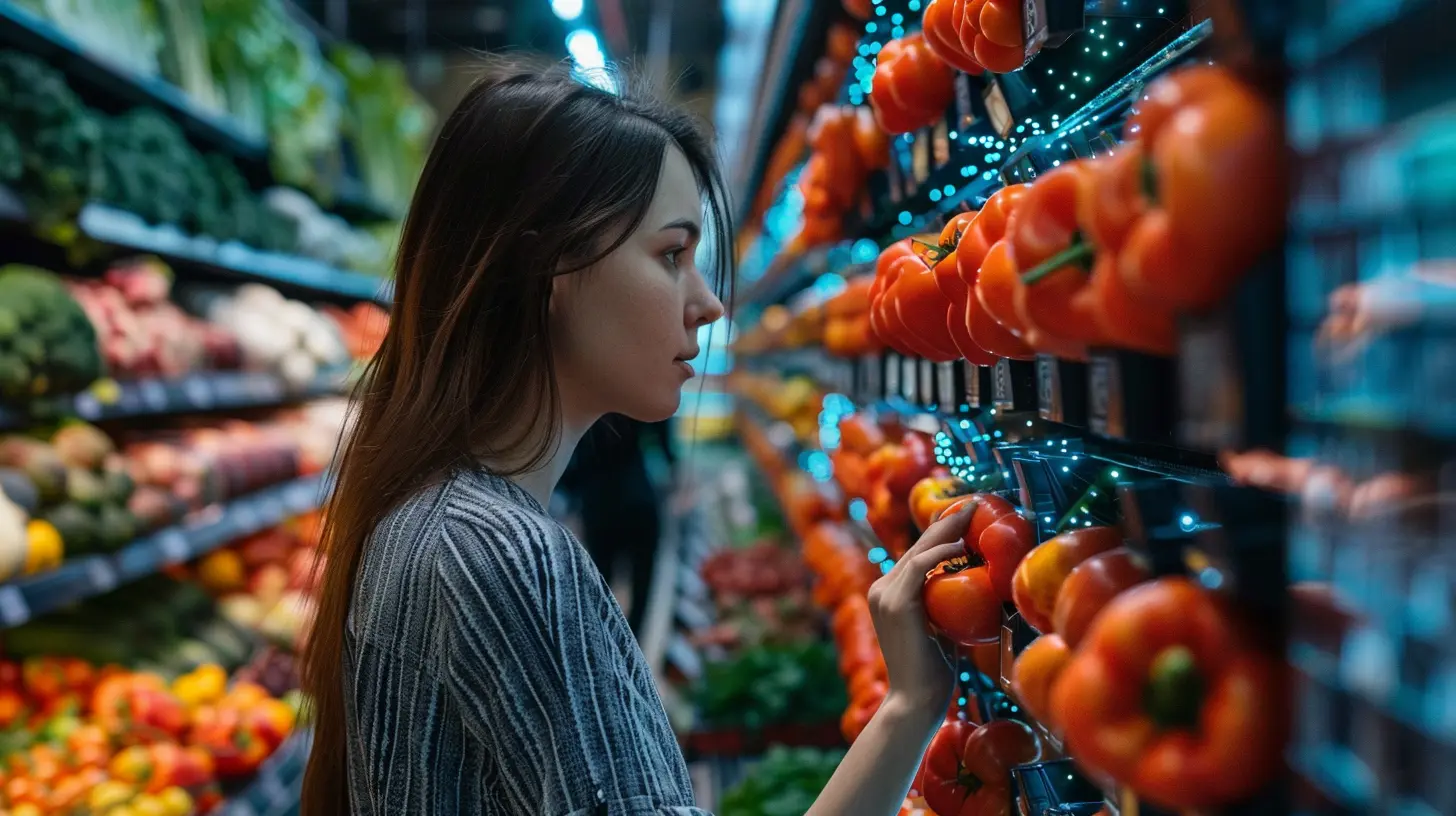
Current Challenges in the Food Industry
Before we dive into how blockchain can solve industry problems, let's take a moment to understand the issues at hand.1. Food Fraud and Mislabeling
Food fraud is a multibillion-dollar problem. Think about olive oil that isn’t 100% pure, mislabeled seafood, or counterfeit organic produce. These deceptive practices not only harm consumers financially but can also lead to serious health risks.2. Lack of Transparency in Supply Chains
Many companies struggle with keeping track of where their food actually comes from. If an outbreak of foodborne illness occurs, tracing the source can take weeks or even months. By then, the damage is already done.3. Consumer Trust Issues
With so many recalls, scandals, and misleading labels, trust in the food industry has eroded. Today’s consumers want proof—proof that what they’re eating is safe, ethically sourced, and free from harmful ingredients.4. Inefficient Recall Processes
When contaminated or unsafe food makes it to market, the recall process is often slow and costly. Without a reliable way to track affected products, tons of food are wasted unnecessarily, and public health remains at risk.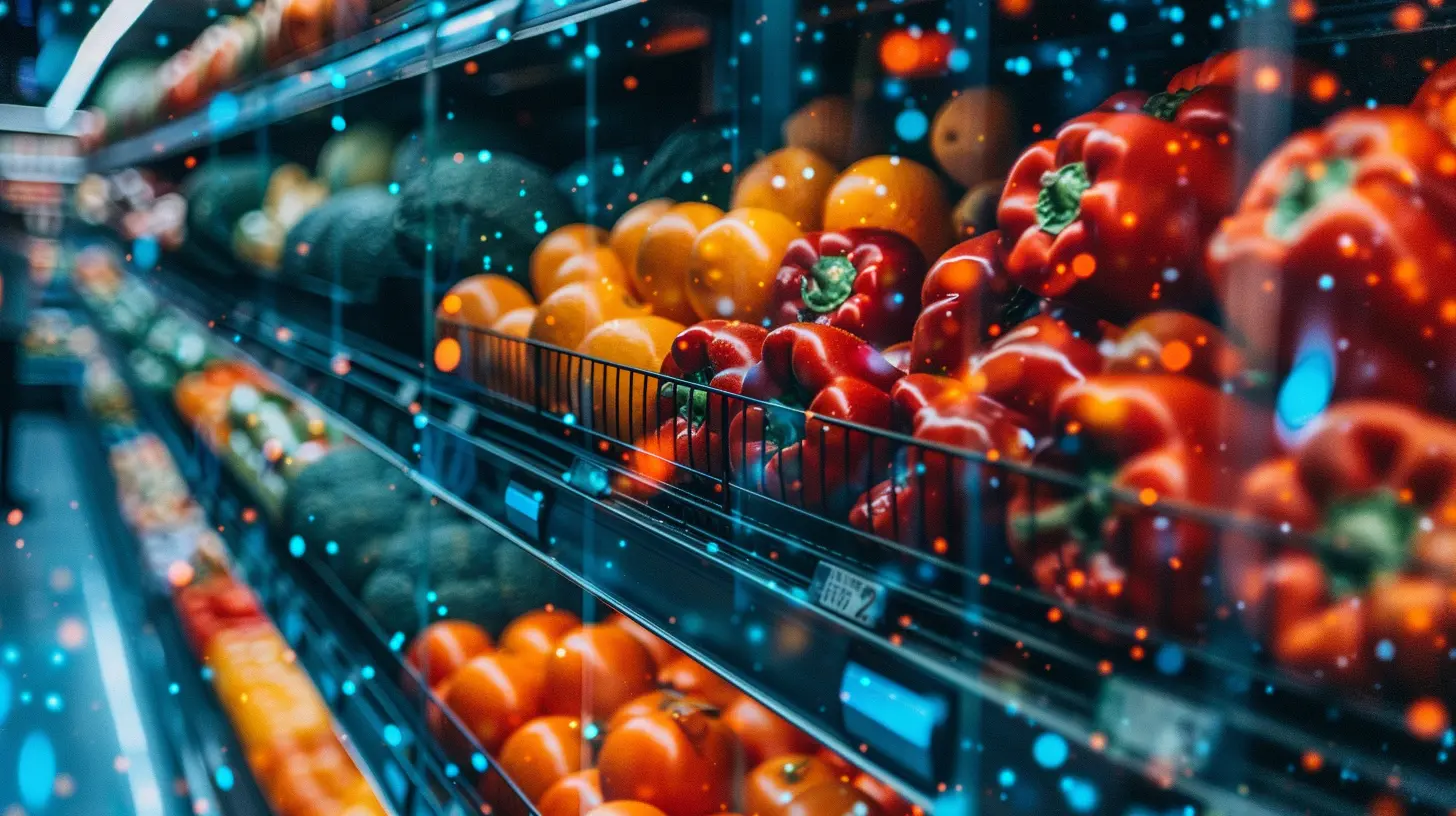
How Blockchain Solves These Problems
1. Ensuring Transparency from Farm to Fork
Imagine buying a pack of strawberries and scanning a QR code on the packaging. In seconds, you see where those strawberries were grown, when they were harvested, how they were transported, and even whether pesticides were used.That’s the power of blockchain. Every transaction and movement in the supply chain is recorded in real-time, creating an immutable history that anyone can verify. No shady middlemen, no hidden details—just full, transparent information.
2. Eliminating Food Fraud and Mislabeling
With blockchain, food producers can provide irrefutable proof of their product’s authenticity. If a company claims its honey is 100% organic, the blockchain record will verify whether that’s true.Since records on the blockchain cannot be altered or deleted, fraudulent activities become nearly impossible. This means consumers can finally trust that what’s on the label is what’s actually inside.
3. Faster and More Efficient Recalls
When a food safety issue arises, time is of the essence. Blockchain makes it easy to trace contaminated products back to their exact source within minutes, not weeks. This not only saves lives but also prevents massive food waste caused by recalling unaffected batches.4. Boosting Consumer Confidence
Trust isn’t built overnight, but blockchain is laying the foundation for greater consumer confidence. When people know their food’s journey is recorded on an unchangeable system, they can make informed choices without second-guessing.Blockchain doesn’t just help consumers—it also benefits businesses by encouraging ethical and sustainable practices, allowing them to showcase transparency as a competitive advantage. 
Real-World Examples of Blockchain in the Food Industry
Several companies have already jumped on board, using blockchain to enhance trust and food safety.Walmart and IBM’s Food Trust Blockchain
Walmart, in collaboration with IBM, implemented a blockchain system that allows the company to track fresh produce within seconds. This ensures quick responses to contamination cases while minimizing food waste.Nestlé’s Transparent Supply Chain Initiative
Nestlé has been using blockchain technology to bring full transparency to its supply chain, allowing consumers to trace the journey of products like coffee and baby food.Carrefour's Blockchain-Enabled Chicken and Milk
European retail giant Carrefour uses blockchain to let customers scan QR codes and access detailed information on the origins, handling, and quality checks of their poultry and dairy products.Blockchain and Sustainability in the Food Industry
Transparency isn’t just about knowing what’s in our food—it’s also about ensuring sustainability. Consumers today are more conscious than ever about the environmental and ethical impact of their purchases. Blockchain helps by:- Tracking Sustainable Farming Practices: Farmers who implement eco-friendly practices can have their efforts recorded on the blockchain, proving their commitment to sustainability.
- Ensuring Fair Trade Certification: Blockchain verifies that workers are paid fairly and treated ethically, giving consumers confidence in their ethical purchasing decisions.
- Reducing Food Waste: With better tracking, retailers and suppliers can reduce unnecessary food waste by ensuring products are sold before they spoil.
The Future of Blockchain in the Food Industry
While blockchain has already made significant strides in transforming food supply chains, its potential is far from exhausted. As adoption grows, we can expect:- More widespread use among small and large businesses
- Integration with AI and IoT for even more accurate tracking
- Stronger government regulations supporting blockchain transparency
The day isn’t far when blockchain-backed transparency will become industry standard, putting an end to food fraud and supply chain ambiguity once and for all.
Final Thoughts
It’s time to rethink the way we view our food. Blockchain is not just a tech buzzword—it’s a game-changer that promises a future where food safety, sustainability, and trust go hand in hand.As more companies embrace this technology, the food industry will become more transparent than ever before. And for consumers like you and me? That means peace of mind, knowing that what we put on our plates is exactly what it claims to be.
So, next time you buy groceries, imagine a world where every item carries an unshakable history of trust—thanks to blockchain. That future is closer than we think!
all images in this post were generated using AI tools
Category:
Blockchain In BusinessAuthor:

Baylor McFarlin
Discussion
rate this article
2 comments
Issac Taylor
Great insights! Blockchain has immense potential to enhance traceability and accountability in the food industry. Emphasizing collaboration among stakeholders will be key to maximizing its benefits for consumer trust.
February 19, 2026 at 3:58 AM
Baylor McFarlin
Thank you for your feedback! I completely agree—collaboration is crucial for unlocking blockchain's full potential in enhancing traceability and consumer trust in the food industry.
Kirk Marks
Great article! The insights on blockchain's potential to enhance trust and transparency in the food industry are timely and essential. It's exciting to see how technology can transform sourcing and consumer confidence.
January 8, 2026 at 12:21 PM
Baylor McFarlin
Thank you for your feedback! I'm glad you found the insights valuable and timely. The potential of blockchain in the food industry is indeed exciting!