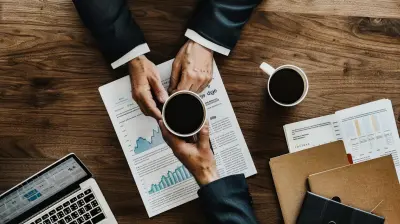
The Role of Body Language in Business Interactions
16 January 2026
When it comes to business interactions, what you say is crucial—but how you say it can be even more impactful. Body language, the unspoken element of communication, plays a huge role in how people perceive us in professional settings. It can either reinforce our message or completely contradict it.
Think about it—have you ever sat in a meeting where someone’s posture screamed confidence, even before they spoke? Or maybe you’ve noticed a colleague who avoided eye contact and crossed their arms, making them seem closed off? That’s body language at work.
In this article, we’ll dive deep into the role of body language in business and how you can use it to your advantage.

Why Body Language Matters in Business
We often focus on words, but research shows that over 55% of communication is nonverbal. That means facial expressions, gestures, posture, and tone of voice matter just as much—if not more—than the words we say.In business, where first impressions and credibility are everything, body language can:
- Convey confidence and authority
- Build trust and rapport
- Strengthen leadership presence
- Enhance persuasive power
- Prevent miscommunication
Want to ace your next presentation, negotiate better deals, or simply be taken more seriously? Mastering body language is a must.

Key Elements of Body Language in Business Interactions
Let’s break down the most important aspects of body language and how they influence professional communication.1. Eye Contact: The Window to Professionalism
They say the eyes are the window to the soul—and in business, they’re also the window to credibility. Maintaining steady but natural eye contact demonstrates confidence, attentiveness, and sincerity.Too little eye contact? You might come across as dishonest or uninterested. Too much? You could make people uncomfortable. Aim for a balanced approach—about 3-5 seconds per glance before shifting your focus.
Pro tip: When speaking to a group, shift your gaze around the room to engage multiple people instead of locking onto just one person.
2. Posture: Stand Tall, Exude Confidence
Your posture is like a silent announcement of your confidence level before you even speak. A straight, open posture signals authority and self-assurance, while slouching makes you look disengaged—or worse, unprofessional.Stand or sit up straight, keep your shoulders relaxed, and avoid crossing your arms (which can make you seem closed off). If you’re standing, distribute your weight evenly to avoid looking stiff or uneasy.
Want to radiate leadership? Power poses—like standing with feet apart and hands on hips—can psychologically boost confidence before important meetings or presentations.
3. Hand Gestures: Speak Without Words
Ever noticed how great speakers use their hands to emphasize key points? Hand gestures add energy and make you look more engaging. When used correctly, they can:- Reinforce your message
- Make complex ideas simpler
- Show enthusiasm and confidence
However, excessive or random gestures can be distracting. Keep movements intentional and natural—avoid fidgeting, clenching fists, or pointing aggressively.
If you’re unsure what to do with your hands, rest them lightly on the table or in a neutral position at your sides.
4. Facial Expressions: Your Unspoken Mood Board
Your face often reveals more than your words. A warm, genuine smile can instantly break the ice and make you appear approachable. On the flip side, furrowed brows or a tense jaw can make you look stressed or irritated—even if you don’t mean to be.In business interactions, aim for:
✅ A relaxed, friendly expression
✅ Slight nods to show interest
✅ A subtle smile (when appropriate)
Avoid blank stares, raised eyebrows (which can seem skeptical), or excessive frowning. Mirror the other person’s expressions slightly to build a subconscious connection.
5. Proxemics: Respecting Personal Space
How close you stand to someone sends a message. Business settings typically follow these space guidelines:- Public space (12+ feet): Good for presentations and speeches.
- Social space (4-12 feet): Common for meetings and group discussions.
- Personal space (1.5-4 feet): Ideal for one-on-one conversations.
Invading personal space can make people uncomfortable, while standing too far away can create a feeling of detachment. Pay attention to cultural differences, as space preferences vary worldwide.
6. Tone of Voice: The Hidden Messenger
Even if your words are perfectly chosen, your tone can completely alter their meaning. A monotonous tone can make you seem uninterested, while a too-loud voice may come off as aggressive.For effective business communication:
✔️ Keep a steady, well-paced rhythm
✔️ Adjust volume based on context (e.g., firm in negotiations, softer in personal discussions)
✔️ Emphasize key points with slight variations in tone
If you’ve ever heard someone say, “It’s not what you said, but how you said it,” this is exactly what they meant!

Common Body Language Mistakes in Business
Even the best professionals can fall into bad body language habits. Here are some to avoid:❌ Crossing arms – Can make you seem defensive or closed off.
❌ Avoiding eye contact – Reduces trust and credibility.
❌ Fidgeting – Can signal nervousness and distract from your message.
❌ Slouching – Makes you appear disengaged or lacking confidence.
❌ Weak handshake – A limp handshake can leave a poor first impression.
Being aware of these habits helps you correct them before they negatively impact your professional presence.

How to Improve Your Body Language for Business Success
Good news—body language is something you can improve with practice. Here’s how:1. Practice in Front of a Mirror
Observe your posture, hand movements, and facial expressions. Make small adjustments until your body language looks confident and natural.2. Record Yourself
Film a mock presentation or conversation. Watching yourself will highlight any habits you need to tweak.3. Get Feedback
Ask a trusted colleague or mentor to assess your body language. Sometimes, we don’t notice our own habits!4. Use Power Poses
Before an important meeting, try standing in a power pose for two minutes—feet shoulder-width apart, hands on hips. Studies show this can boost confidence levels.5. Be Mindful and Adjust Accordingly
Every situation is different, so tweak your body language based on the setting. A formal boardroom requires a different approach compared to a casual networking event.Final Thoughts
Mastering body language isn’t about faking confidence—it’s about aligning your nonverbal cues with your words to create authentic, effective communication. Whether you’re negotiating a deal, giving a presentation, or simply engaging in a business conversation, the way you present yourself physically can make all the difference.So, next time you step into a meeting, remember: your body speaks before you do—make sure it’s saying the right things!
all images in this post were generated using AI tools
Category:
Business CommunicationAuthor:

Baylor McFarlin
Discussion
rate this article
2 comments
Cody Beck
Body language significantly impacts business interactions, influencing perceptions and communication effectiveness. Understanding nonverbal cues can enhance relationships, foster trust, and improve overall workplace dynamics, ultimately driving better outcomes.
February 18, 2026 at 5:42 AM
Baylor McFarlin
I completely agree. Body language is a crucial element in business that can really shape interactions and build stronger connections. Understanding it can lead to better communication and outcomes.
Zephira Castillo
Thank you for shedding light on the importance of body language in business interactions. Your insights remind us that communication goes beyond words. Understanding nonverbal cues can foster deeper connections, enhance collaboration, and ultimately create a more compassionate and effective work environment for everyone involved.
January 16, 2026 at 11:39 AM
Baylor McFarlin
Thank you for your thoughtful comment! I'm glad you found the insights on body language valuable—it truly plays a crucial role in fostering meaningful connections in the workplace.