The Role of Diversity and Inclusion in Social Media Marketing
1 April 2026
Let’s be real for a second—social media isn’t just about cute cat videos, viral dance challenges, and trending hashtags. It has evolved into a powerhouse tool for businesses to connect with their audiences, build trust, and inspire loyalty. And in this ever-connected world, one thing is becoming crystal clear: diversity and inclusion (D&I) aren’t just buzzwords—they’re the heartbeat of modern social media marketing.
But what does this really mean for businesses, content creators, and marketers like you and me? Why is it so crucial to embrace diversity and inclusion in social media marketing strategies? Let’s break it all down in a way that actually makes sense and shows just how impactful it can be.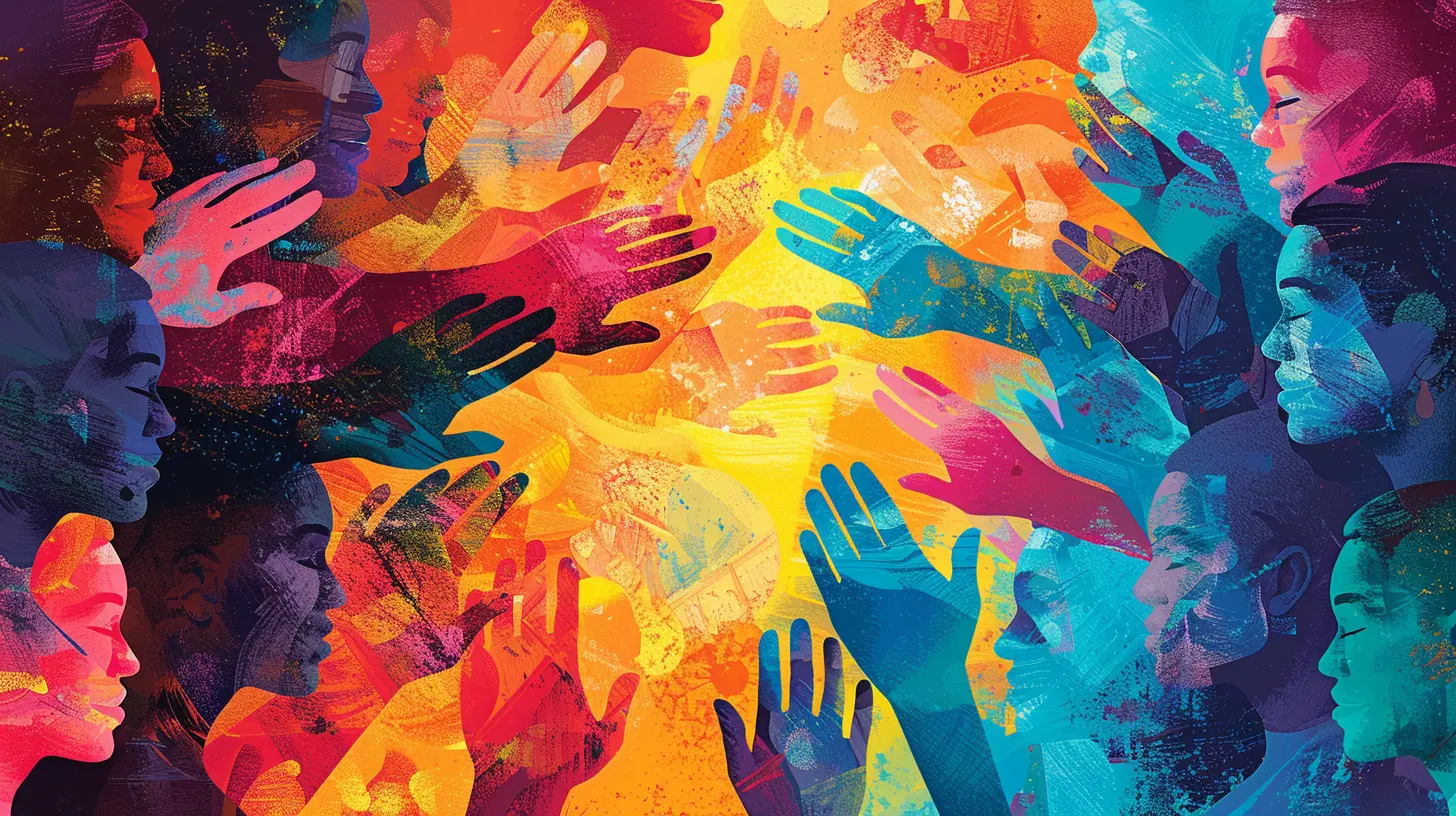
What Exactly Is Diversity and Inclusion?
Before diving headfirst into how these concepts play a role in social marketing, we need to get on the same page about what they actually mean.Diversity refers to the presence of differences—race, gender, age, religion, disability, sexual orientation, socioeconomic status, and more.
Inclusion, on the other hand, is about creating an environment where diverse individuals feel welcomed, valued, and encouraged to participate fully.
Think of diversity as being invited to the party, and inclusion as being asked to dance. They go hand in hand.
When we apply this to social media marketing, it’s all about representing your audience authentically and making sure everyone sees themselves reflected in your content. People want to feel seen, heard, and understood—and when they do, they’re more likely to engage with your brand.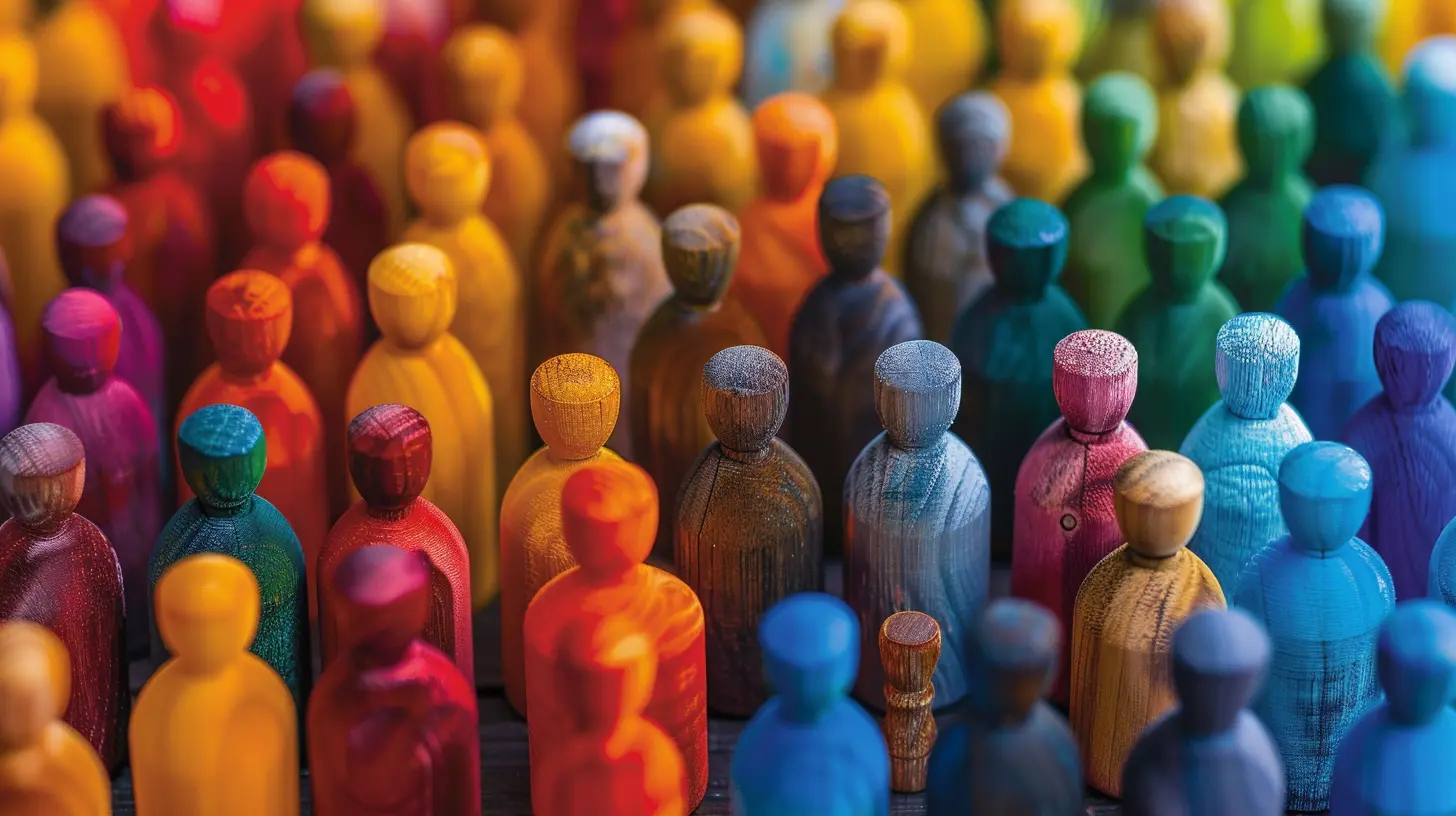
Why Diversity and Inclusion Matter in Social Media Marketing
Let’s face it: people are tired of one-size-fits-all marketing. Audiences today are smarter, more connected, and more socially aware than ever. If your content doesn’t resonate with them or, worse, alienates them, you’ve lost potential fans, followers, and customers.Here’s why D&I should be a key part of your social strategy:
1. Represents Real-World Audiences
Your audience isn’t made up of clones. They come from various backgrounds, cultures, and lifestyles. If your brand only speaks to a narrow group, you’re ignoring a massive chunk of potential customers. That’s not just bad ethics—it’s bad business.Inclusive marketing allows everyone to feel like they belong in your brand’s story.
2. Builds Brand Loyalty and Trust
People support brands that support them. When customers see that your business values inclusivity, they’re more likely to trust you—and stick around. Trust isn’t built with flashy ads; it’s earned through authenticity and representation.3. Boosts Engagement
Inclusive content sparks conversations, builds communities, and increases shares, comments, and likes. People are more likely to engage with content they relate to—simple as that.4. Improves Reputation and Brand Image
No one wants to be the brand that missed the mark—or worse, offended an entire community. A thoughtful, inclusive approach helps you stay ahead of PR nightmares while elevating your brand as one that cares and listens.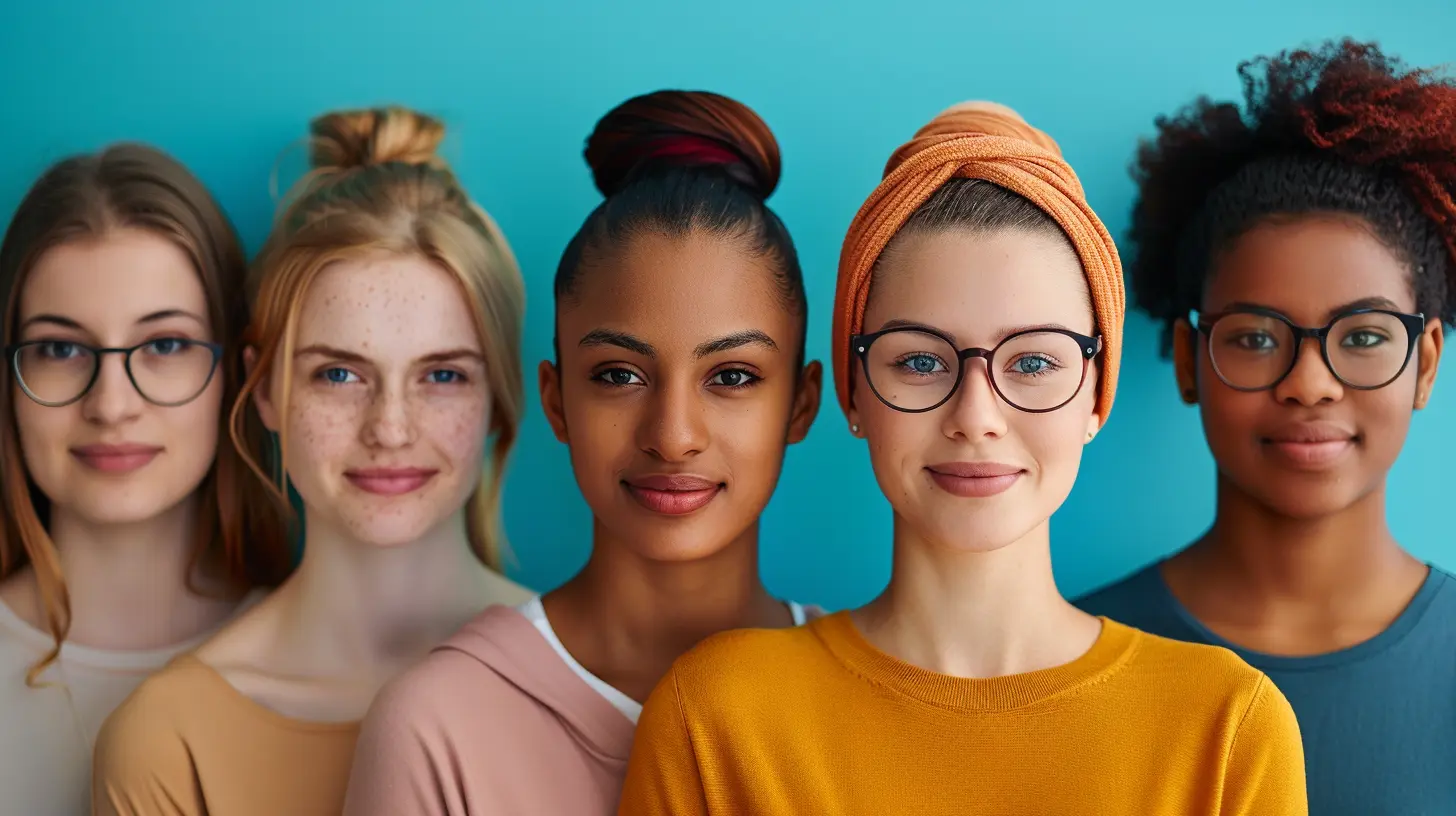
How to Practice Diversity and Inclusion in Your Social Media Strategy
You’re sold on the “why.” Now let’s talk about the “how.”1. Audit Your Current Content
Start by looking at your existing social media content. Who do you see represented in your imagery, language, influencer partnerships, and messaging? If the answer is “not much diversity,” then it’s time to change that.Ask yourself:
- Are we showcasing diverse faces and voices?
- Are we using inclusive language?
- Have we unintentionally excluded any group?
It’s not about ticking boxes. It’s about telling real, human stories.
2. Know Your Audience—Really Know Them
You can’t create inclusive content if you don’t understand your audience. Dive into analytics, surveys, feedback, and community engagement. Get a feel for who your followers are and what matters to them.Also, don’t assume. Ask questions. Open the lines of communication and listen. Your community will tell you what they want—if you’re willing to hear them out.
3. Diversify Your Content Creators and Influencers
Partner with influencers and creators from various backgrounds. Not only does this broaden your audience reach, but it brings fresh perspectives into your brand narrative.When followers see someone who looks like them, thinks like them, or shares their experiences, they feel more connected to your brand. That connection? Gold.
4. Use Inclusive Language
Words matter. Avoid gendered terms (like “hey guys”), use people-first language (e.g., “person with a disability” vs. “disabled person”), and respect pronouns. It’s a small shift that makes a big difference.Also, be mindful of slang and regional phrases that may not translate well—or could be offensive—in different cultures.
5. Celebrate Cultural Moments—Authentically
Show support for cultural events like Black History Month, Pride, Diwali, International Women’s Day, and more. But here’s the key: do it authentically.Don’t just slap a rainbow flag on your logo and call it a day. Your support should go beyond the surface—donate to causes, amplify voices, and put actions behind your posts.
People can sniff out performative marketing from a mile away.
6. Create Accessible Content
Inclusion also means making your content accessible to everyone. Use image alt text, closed captions on videos, readable fonts, and color contrast tools to help followers with visual or hearing impairments.Accessibility shows that your brand values all followers, not just the majority.
7. Train Your Social Media Team
It’s not enough for one person to “own” diversity. Your whole team needs to be on board. Offer training sessions on cultural sensitivity, unconscious bias, inclusive design, and more.When everyone’s aligned with inclusive values, you avoid tone-deaf mistakes and foster a more thoughtful content creation process.
Case Studies: Brands Nailing D&I on Social Media
Let’s take a look at a few companies that are walking the talk when it comes to diversity in their social media strategies:💄 Fenty Beauty
Rihanna’s beauty brand turned the industry on its head with inclusive shade ranges—but it didn’t stop there. Their social media is full of diverse models, real customer content, and shoutouts during cultural moments. It’s representation done right.👟 Nike
Nike campaigns are known for embracing athletes of all backgrounds, abilities, and stories. From Colin Kaepernick to Paralympic athletes, Nike shows how powerful inclusive marketing can be. Their content inspires—and reflects—the real world.📺 Netflix
Netflix not only casts diverse characters in their shows, but their social media highlights them too. They run multiple accounts celebrating different cultures (like @strongblacklead), engaging communities in meaningful, relatable ways.Common Pitfalls to Avoid
You don’t want to be the brand that tries... and fumbles. Keep these in mind:- Tokenism: Don’t include diverse individuals just to say you did. Your content should reflect genuine representation, not a checklist.
- Stereotyping: Avoid using clichés or flat characters. Show people as complex, full human beings.
- Performative Activism: Don’t use social justice as a trend. If your brand posts about a cause, back it up with real actions and ongoing support.
Diversity Is a Long-Term Commitment
Here’s the deal: diversity and inclusion in social media marketing isn't a one-time campaign or a trending topic. It’s an ongoing journey—a mindset, a value system, a way of doing business.And sure, it might take time to shift strategies, involve new voices, or rewrite some old playbooks. But the rewards? Totally worth it. A brand that reflects the vibrant, messy, beautiful tapestry of humanity doesn’t just grow—it thrives.
Final Thoughts
At its core, social media is about connection. And how can we truly connect if we’re not seeing or hearing from the full spectrum of people using these platforms?If you want to be a brand that people love, trust, and advocate for, you’ve got to show up for them—not just the ones who look like you or think like you—but all of them.
So, what kind of brand do you want to be?
all images in this post were generated using AI tools
Category:
Social Media MarketingAuthor:

Baylor McFarlin
Discussion
rate this article
2 comments
Marni West
Diversity and inclusion in social media marketing aren't just buzzwords; they're like secret ingredients in a recipe. When brands mix different voices and perspectives, they cook up something truly tasty that resonates with everyone. It's like throwing a surprise party for ideas... and everyone's invited!
May 2, 2026 at 3:01 AM
Baylor McFarlin
Absolutely! When brands embrace diverse voices, they create richer, more engaging content that connects with a wider audience. It's all about celebrating different perspectives.
Candice Wilkins
Embracing diversity fuels creativity and innovation in social media marketing!
April 2, 2026 at 3:03 AM
Baylor McFarlin
Absolutely! Diverse perspectives lead to fresh ideas and stronger connections with audiences.